
The Whistle That Outlived the West: Remembering Ennio Morricone in 2026
I met Ennio Morricone the way a lot of ordinary players meet a legend: sideways, through a screen, with the volume too loud. I am not a composer. I am just someone who plays, watches, and listens, and in 2026 I still keep a Morricone playlist close. Six years after his death, the facts are simple and heavy. He was born in Rome on November 10, 1928. He died in Rome on July 6, 2020, at 91, after complications from a fall. He started learning music at six, studied at distinguished academies, began in theater, and pushed avant-garde music outside cinema. Then film scores swallowed the rest of the story. Honestly, that is the part that found me.
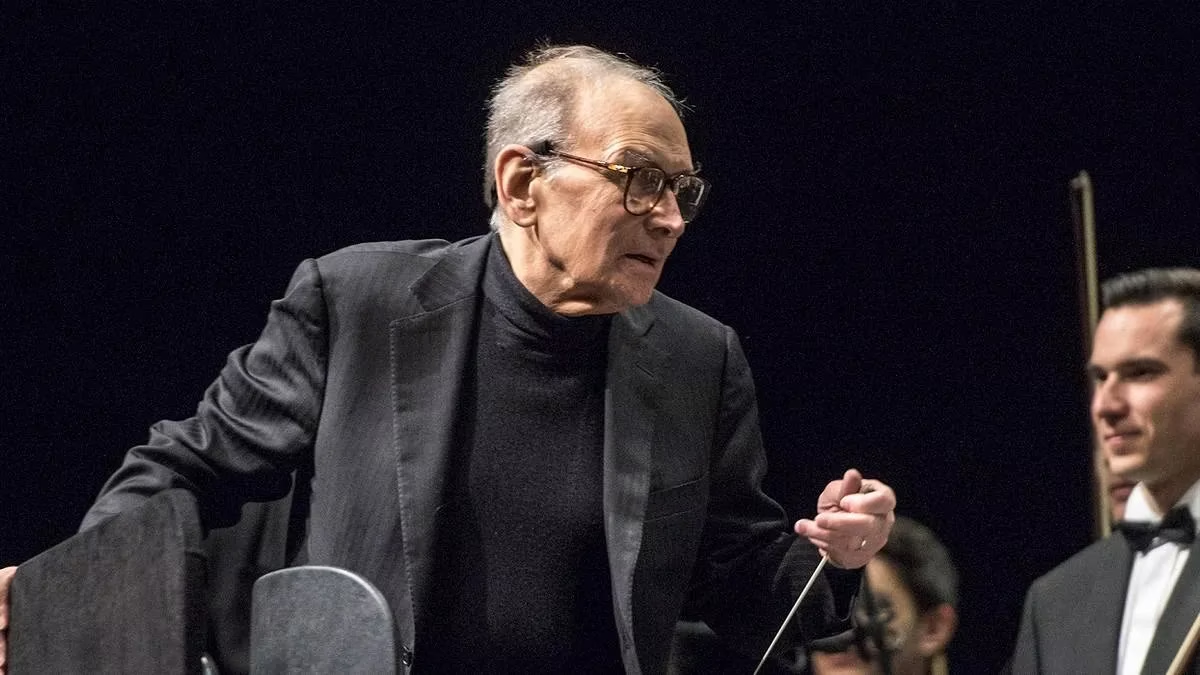
The first Morricone cue I truly noticed did not sound like a normal orchestra. A whistle swaggered in like it owned the saloon. A guitar did not strum a pretty chord; it sneered. Whips cracked, gunshots barked, and the silence leaned in close enough to make me check the room. No kidding: that was my door into his world. The composer who made that sound was already known for Italian comedies in the 1960s, but his old school friend Sergio Leone pulled him toward something stranger. In 1964 Leone asked him to score A Fistful of Dollars, one of the first Spaghetti Westerns. The Dollars trilogy defined the genre, and Morricone defined its sound. Guitars, whips, whistling, and gunshots instead of a traditional classical orchestra. Simple. Strange. Perfect.
The Sound That Would Not Stay in the West
I used to think a film score was background music. Morricone taught me that a score can be a character. His work on The Good, the Bad and the Ugly and Once Upon a Time in the West became cinema classics, and the first one crossed into popular culture so completely that it has been parodied in countless TV shows and movies. The track Ecstasy of Gold has opened Metallica concerts since 1984. You know that feeling when a piece of music stops being a song and becomes a ritual? That is what happened there. Not louder. Stranger. Bigger.
When I look back at his career in 2026, I see a map with too many roads to count. After success in Italy, Hollywood came calling. He worked with Terrence Malick on Days of Heaven, which earned him his first Oscar nomination. He also worked with Oliver Stone, John Carpenter, Barry Levinson, Brian De Palma, and Roland Joffe, for whom he composed The Mission, still one of the most popular and best-selling film scores of all time. Listing every director he worked with is almost impossible. That is not a small legacy. That is a whole weather system.
The Late Oscar and the Long Echo
Quentin Tarantino was a particular fan. He used a number of Morricone tracks in his films, and eventually collaborated with the composer on The Hateful Eight. That score won the Academy Award for Best Original Score, giving Morricone his first competitive Oscar at 87, after he had received an honorary award for his career in 2007. When I read that, I laughed a little. Of course he was still working. Of course he was still winning. He was working right up until 2020, composing for TV and movies until his death.
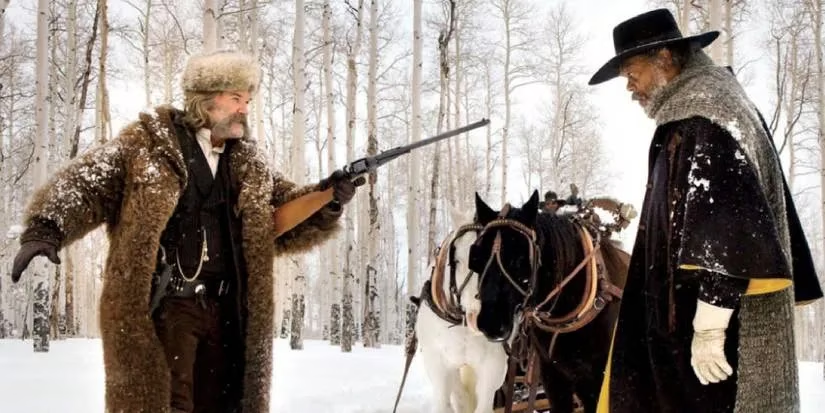
Here is what stays with me most: his approach changed how filmmakers thought about film scores. He combined guitars, sound effects, and voices to create the atmosphere his directors needed. He did not just fill silence. He gave silence a job. In 2026, that influence is still easy to hear in games, trailers, television, and films that reach for tension without leaning on a full orchestra. His legacy as one of the most influential composers in film is unparalleled.
So I keep listening. I keep the whistle close, the guitar sharp, and the silence a little dangerous. Ennio Morricone was one of the great figures in global cinema, and his impact on movies and TV will be felt for decades to come. He will be greatly missed. R.I.P. Ennio Morricone: November 10, 1928 - July 6, 2020.
Expert commentary is drawn from Game Developer, where behind-the-scenes reporting on audio direction and interactive storytelling helps explain why Morricone’s legacy still matters to players in 2026: his use of silence, unusual instrumentation, and sharply memorable motifs mirrors many of the techniques modern game composers use to give worlds identity, tension, and emotional recall beyond the screen.
Comments