
The Unbroken Thread: Tim Burton and Danny Elfman's Cinematic Symphony
For nearly four decades, the creative marriage between director Tim Burton and composer Danny Elfman has pulsed like a living, breathing entity through the veins of cinema. It’s a partnership forged in the quirky fires of Pee-wee’s Big Adventure back in 1985, a first date for both artists that blossomed into a defining artistic dialogue. Elfman, plucked from the electric energy of Oingo Boingo by a starstruck Burton, didn't just write music; he conjured sonic landscapes that became the very heartbeat of Burton’s gothic whimsy and melancholic wonder. Nineteen times out of Burton’s twenty-two major projects, Elfman’s signature sound – that intoxicating blend of carnivalesque mischief and haunting beauty – has been the essential counterpoint to Burton’s visuals. Yet, like any long dance, there were moments when the partners briefly stepped apart. Those three absences aren't just footnotes; they're intriguing pauses in a symphony, revealing the unique rhythm of their extraordinary bond.
The First Fracture: When Ed Wood Echoed Silence
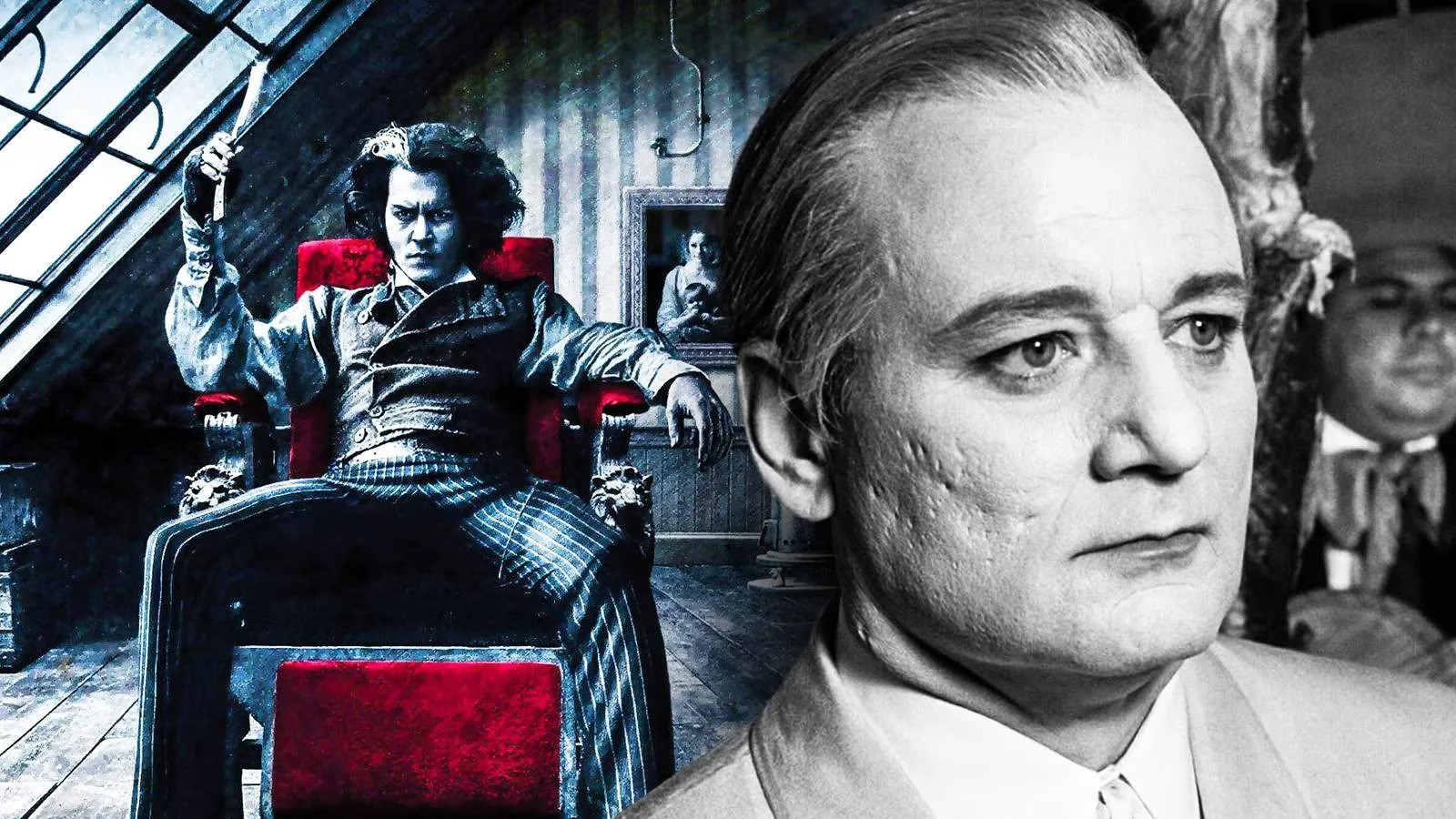
After a decade-long winning streak painting sonic masterpieces for Burton’s worlds, the 1994 biopic Ed Wood arrived with a different voice. Howard Shore, a maestro in his own right (and future Lord of the Rings champion), stepped in. His work was lauded, snagging awards, but something fundamental felt... missing. The air crackled with an unspoken question: Where was Elfman? The truth, as Elfman later confessed, was that the pressure cooker of back-to-back epics – the sprawling Batman Returns and the intricate stop-motion marvel The Nightmare Before Christmas – had finally caused things to well and truly boil over. "An inevitable explosion," Elfman called it, a fallout so severe they stopped speaking. The familial closeness they shared made the silence ache. It was a creative divorce, however temporary, leaving Ed Wood standing as a poignant monument to a partnership momentarily adrift. But the bond, resilient as old roots pushing through concrete, wouldn't stay broken. Reconciliation whispered on the windswept sets of Mars Attacks!, and soon, Elfman’s music was back where it belonged, weaving its magic once more.
The Song Already Sung: Sweeney Todd's Borrowed Melody
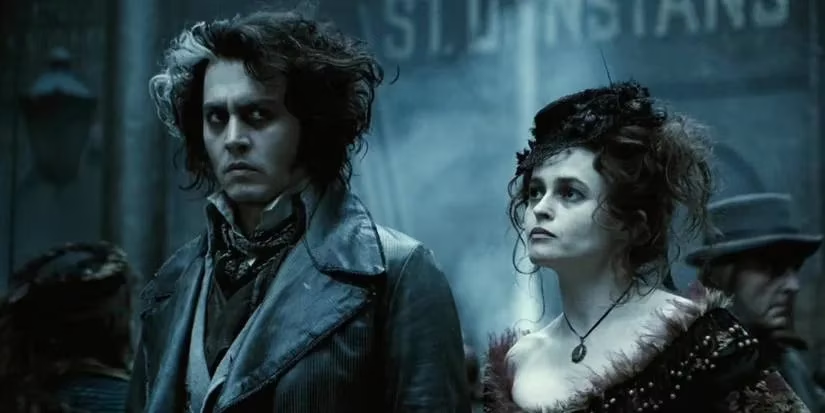
Five more Burton-Elfman collaborations flowed like dark honey after the Ed Wood reconciliation, until the razor-sharp notes of Sweeney Todd: The Demon Barber of Fleet Street (2007) cut through. This time, the absence wasn't born of discord, but of profound respect. Stephen Sondheim’s legendary 1979 Broadway score was the very soul of Sweeney Todd. Burton, honoring the source material with a lover's devotion, knew this intricate musical tapestry couldn't be re-woven. Elfman’s genius wasn't needed to create; the masterpiece already existed. While Burton delved into the bloody poetry of Fleet Street, Elfman was off conjuring sounds for Meet the Robinsons and The Kingdom. It was a pause, not a rupture – a moment where Burton bowed to another maestro's existing symphony. Their shared history with musicals (Nightmare, Corse Bride, Charlie) proved they could craft magic together, but Sweeney Todd was simply a song already perfectly sung.
The Peculiar Gap: A Mystery in Miss Peregrine's Walls
The third missing piece arrived with the 2016 gothic fantasy Miss Peregrine’s Home for Peculiar Children. Mike Higham and Matthew Margeson provided the score, capable hands familiar with Burton’s world (Higham had worked on Charlie). But unlike Ed Wood or Sweeney Todd, the reason for Elfman’s absence here remains shrouded in polite mystery. No public falling out echoed through Hollywood hills. The most likely culprit? Good old-fashioned scheduling chaos. Elfman was deeply immersed in scoring Alice Through the Looking Glass (which Burton produced), and immediately after, he dove headfirst into composing an intense violin concerto. The calendar, that relentless taskmaster, simply didn’t leave a gap for the peculiar children. It was a practical pause, a collision of commitments rather than a creative divergence.
The Unbroken Thread Endures
| The Three Absences: A Summary Table | |-------------------------------------|-------------------------------------| | Film | Reason for Elfman's Absence | | Ed Wood (1994) | Major falling out due to intense workload & stress from previous projects. | | Sweeney Todd (2007) | Stephen Sondheim's original Broadway score was retained; no new composition needed. | | Miss Peregrine (2016) | Presumed scheduling conflicts with Alice Through the Looking Glass & Elfman's concerto. |
After the Miss Peregrine interlude, the familiar rhythm resumed. Elfman soared back for Burton’s 2019 Dumbo, his music lifting the elephant’s ears with poignant grace. And when Burton turned his gothic gaze to television, crafting the smash-hit Netflix series Wednesday in 2022, who else would conjure that perfectly eerie, finger-snapping soundscape but Danny Elfman? 😊 The series became a phenomenon, its success a testament to the undimmed power of their combined vision. With Wednesday renewed for a second season, the whispers are already turning to excited chatter: Burton and Elfman, the dream team, are surely plotting their next sonic and visual feast for 2025. Their partnership, tested by fire, silence, and scheduling, has proven itself as enduring as the most haunting melody. It’s a creative conversation spanning nearly 40 years, where even the pauses speak volumes, and the next note is always eagerly awaited. The symphony continues.
Comments