
The Magic of Music: Exploring the Iconic Soundtracks of Studio Ghibli Films
When you think of Studio Ghibli, the mind instantly conjures images of breathtaking animation, fantastical worlds, and, of course, the unforgettable music that weaves it all together. For decades, the collaboration between the legendary director Hayao Miyazaki and the maestro composer Joe Hisaishi has produced some of the most iconic soundtracks in cinematic history. These scores are more than just background music; they are the very soul of the films, elevating stories into timeless masterpieces. While other talented composers like Cécile Corbel (Arrietty) and Mamiya Michio (Grave of the Fireflies) have contributed to Ghibli's non-Miyazaki films, Hisaishi's work possesses a unique, almost magical quality. His compositions are elegant works of art that can stand alone, but when combined within a film, they create a compounding emotional effect that is simply legendary. Let's dive into the soundscapes that have defined a generation of animation.
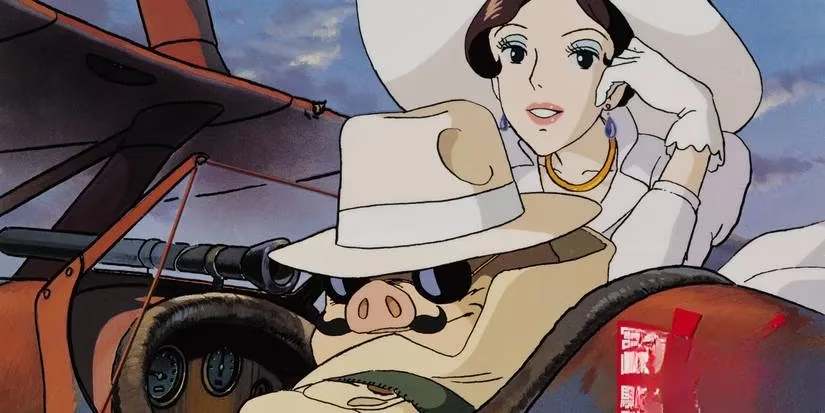
🎵 Porco Rosso: Jazz and Nostalgia in "Bygone Days"
Miyazaki's Porco Rosso is a fantastical war film blending fairy-tale elements with harsh realities. Joe Hisaishi's track "Bygone Days" perfectly encapsulates these themes, adding a profound touch of nostalgia. Using his signature polyrhythm techniques, Hisaishi infuses the piece with a jazzy groove. It subtly references the Western forces Porco Rosso combats while evoking a rustic, retro vibe. The style doesn't just mimic Western influences but beautifully highlights memories of the past, living up to its title. It's a perfect example of how music can define an era and a feeling.
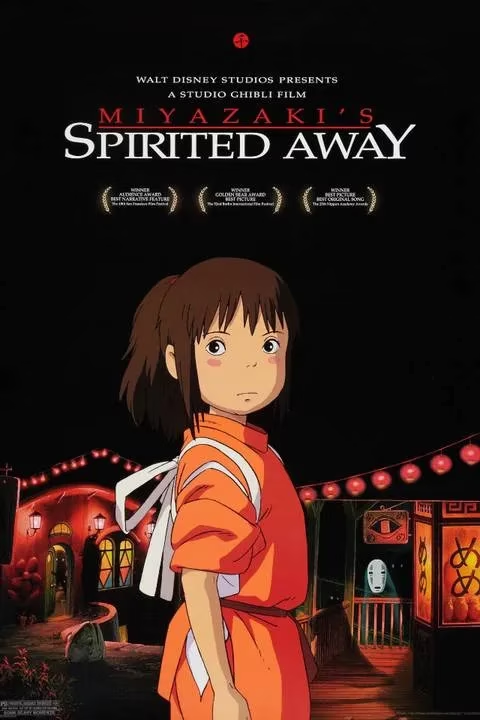
🐉 Spirited Away: The Serene Magic of "One Summer's Day"
Miyazaki's hit film Spirited Away held the title of Japan's highest-grossing film for nearly two decades, and a huge part of its success was Joe Hisaishi's magnificent score. The track "One Summer's Day" is a standout, bringing a smooth serenity to the otherwise hectic and bewildering spirit world that Chihiro stumbles into. Despite the struggles of her journey, the music depicts the aftermath as a fleeting moment of illusive childhood imagination. This theme is central to the piece, making it an instant classic that tugs at the heartstrings.
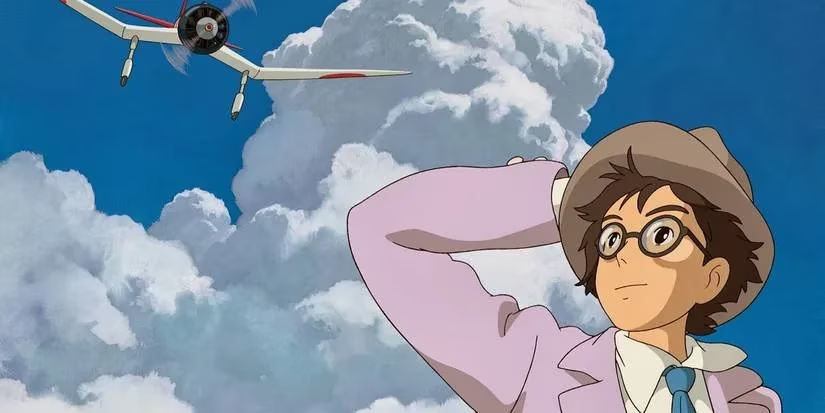
✈️ The Wind Rises: Soaring Dreams in "A Journey"
The Wind Rises was famously slated to be Miyazaki's final film (though not his last, as we now know!) and incorporates much of the lore that founded Studio Ghibli. Miyazaki's love for planes is no secret—the studio's name comes from an Italian aircraft—and this film digs into the foundation of that passion. Hisaishi's music heightens this touching story of perseverance. The piece "A Journey" represents the main character Jiro's dream of building planes, with its musical ups and downs swaying precariously like the wind itself. It's a powerful, emotional ride.
🦢 The Boy and the Heron: A Modern Masterpiece
As Miyazaki's most recent award-winning film, The Boy and the Heron presents a narrative meditating on life and death, blended perfectly by another masterful Hisaishi score. This film also features a grand statement song, "Spinning Globe," commissioned from global J-pop superstar Kenshi Yonezu. Hisaishi's quiet, touching pieces like "Ask Me Why" chip away at the audience's heart one note at a time. While the two artists' styles differ greatly, an unsung harmony exists beneath the surface, creating a rich, layered auditory experience for a modern classic.

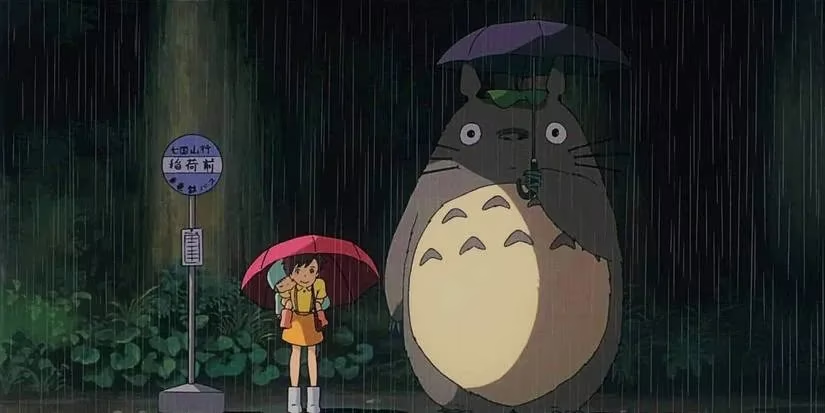
🌳 My Neighbor Totoro: The Iconic Theme
Perhaps Miyazaki's most iconic film, My Neighbor Totoro, features the lovable furball as the Studio Ghibli logo itself. The film's main theme, sharing the movie's title, not only opens the film but inserts itself among other soundtracks. Popular tracks like "Path of the Wind" are essentially restyled and expanded versions of this main theme. Hisaishi masterfully links together an overarching soundtrack that all stems from the core melody of "My Neighbor Totoro," creating a cohesive and heartwarming musical world.
🐺 Princess Mononoke: An Operatic Epic
One of Miyazaki's greatest films, Princess Mononoke, is a story ahead of its time, highlighting the dangers of industrialization. Paired with one of Hisaishi's most variegated yet cohesive scores, the film's narrative paints metaphors that will remain relevant for decades. In particular, Princess San's main theme is an operatic masterpiece that encapsulates the depth of her character as a child of nature. It displays a painfully segmented identity that cries along with the sorrow of a dying forest—powerful stuff!

🌪️ Nausicaä of the Valley of the Wind: A Grave and Comprehensive Score
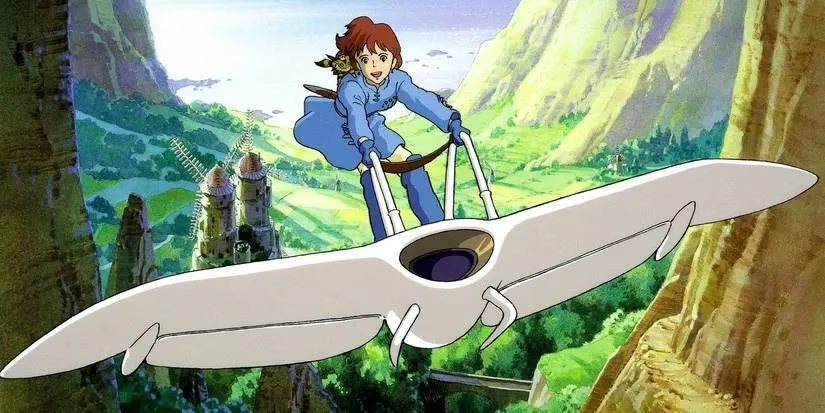
Another of Miyazaki's environmentally-focused films, Nausicaä of the Valley of the Wind, features a musical score written in an incredibly grave fashion. Hisaishi's work here is perhaps one of his most comprehensive, with each song deeply connecting to others, creating a web of loud and subtle statements. While "The Legend of the Wind" grounds the film's themes, other pieces like "Requiem," "The Distant Days," and "The Bird Man" do equally impressive work in building this profound soundscape.
🏰 Howl's Moving Castle: The Merry-Go-Round of Life
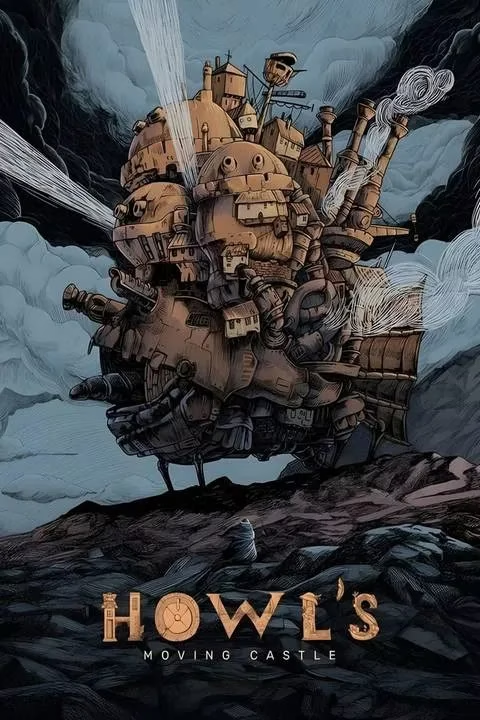
Hisaishi's song "The Merry-Go-Round of Life" is the lasting mark of Miyazaki's Howl's Moving Castle. This upbeat, waltz-like piece represents the unpredictability of life itself. The story follows Sophie, a young woman turned elderly by a wizard, on her magical journey. Her story of accepting her station while trying to regain her youth is perfectly grasped by Hisaishi's music, which speaks to these themes through melody alone. Combined with Miyazaki's visuals, it's pure magic.
🧹 Kiki's Delivery Service: A Town with an Ocean View
In Kiki's Delivery Service, Hisaishi delivers a feast for the ears. The track "A Town with an Ocean View" remains present in the modern musical sphere despite being composed in 1989. It's an orchestral stroke of genius that paints wonderful scenery with sound alone, using vibrant and optimistic colors. The film covers themes of coming-of-age and dealing with burnout, and this song perfectly captures the beauty Kiki finds during her tumultuous personal growth.
🕊️ Laputa: Castle in the Sky: The Solitary Trumpet of "Doves and the Boy"
Laputa: Castle in the Sky carries deep themes of technology and war, but Miyazaki and Hisaishi excel at finding peace within chaos. The main character Pazu sounds his solitary trumpet, playing "Doves and the Boy" to mark the awakening of a small mining town. The melody is so compelling it needs no accompaniment, creating a moment of peace before impending unrest. This song is so iconic it's referenced in modern anime like Your Lie in April. Many consider "Doves and the Boy" to be Hisaishi's best work for Studio Ghibli—a true masterpiece.
Final Thoughts
From the jazzy nostalgia of Porco Rosso to the serene beauty of Spirited Away and the epic themes of Princess Mononoke, Joe Hisaishi's scores are the heartbeat of Studio Ghibli. They transform great films into legendary experiences. As we look back from 2026, these soundtracks continue to inspire new generations of fans and creators. They prove that in the world of Ghibli, the music isn't just heard—it's felt. It's the secret sauce, the je ne sais quoi, that makes these films truly timeless. So next time you watch a Ghibli film, close your eyes for a moment and just listen. You'll understand the magic.
Comments