
Ten Killer Movie Soundtracks That Still Refuse to Be Background Music
Music is deeply subjective—which is the polite way of saying that any argument about movie soundtracks eventually becomes a contact sport. In 2026, streaming algorithms can serve a listener a perfectly optimized playlist before the opening credits, yet the best film music still feels like a friend shoving a cassette into a stranger's hand and daring them to press play. For this list, a killer soundtrack means a high-energy collection with attitude, personality, and a stubborn refusal to behave like background noise. Single-artist showcases and diegetic musicals have been politely escorted to the lobby. The results are not mathematically final; they are simply too much fun to leave alone.
The Ten-Film Mixtape That Still Wins Arguments
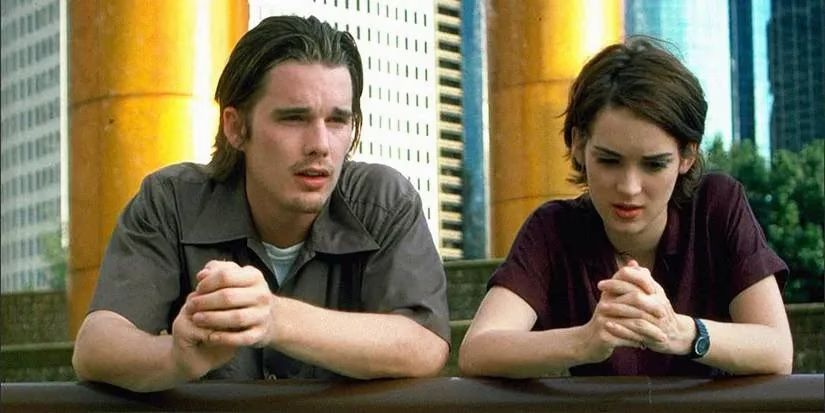
- Reality Bites — This underrated 1990s romance is a tricky satire with a grunge-shaped time capsule attached. The soundtrack captures the independent mood of its decade, sprinkling in Alice Cooper and a Knack moment with real edge. It also dips into romantic charm, which lets the rock breathe. After all, if everything is forte, nothing is. The film studies its generation with self-awareness, and the music does the same—without needing a thesis.
-
The Wedding Singer — Adam Sandler's most endearing romance beat the 1980s nostalgia train to the station by decades. Because the protagonist actually works as a wedding singer, the Smiths, Billy Idol, and New Order show up organically instead of being shoved through a jukebox-shaped window. It is a love letter to the decade, with jokes that land and a sweet center. The soundtrack is shameless, sure, but it is also shamelessly well assembled.
-
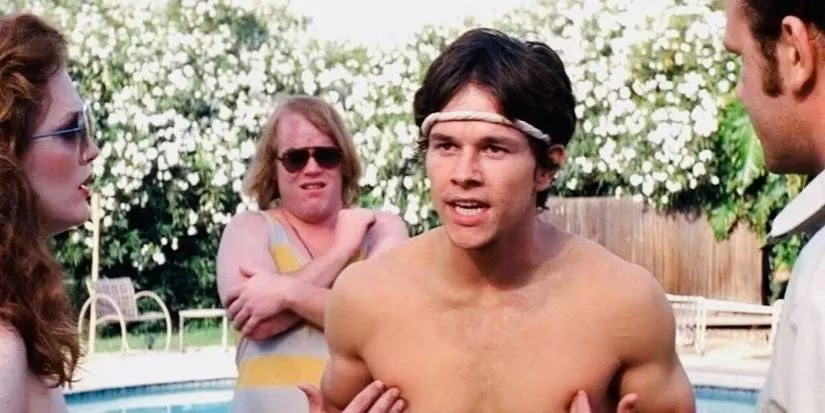
Boogie Nights — Frenetic, graphically unapologetic, and brilliant in its characterization, this film turns the 1970s porn industry into a boiling thematic party. The music is crucial to that identity, carrying Hot Chocolate and Marvin Gaye through a world that is immersive on the surface and emotionally turbulent underneath. The soundtrack feels alive and kinetic because the film never lets its audience stand still. It is exhausting in the best way.
-
Guardians of the Galaxy — The cornerstone of Peter Quill's identity is an opening scene that later makes the entire soundtrack ache. The space adventure is a flashy roller coaster with a dozen laughs per minute, and the older classics contrast beautifully with the cosmic chaos. The Runaways and Redbone are not decoration; they are humanity's mixtape. When Peter uses music as a distraction to save the day, the film and soundtrack become equally radiant with fun and thrills.
-
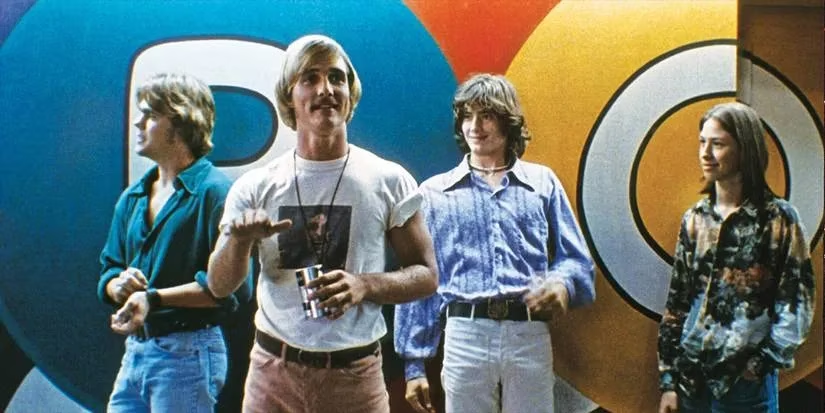
Dazed and Confused — Richard Linklater's day-in-the-life ride is a spiritual successor to American Graffiti, painting the 1970s with greatest hits and a stunning level of authenticity. There is not much plotting, because the music is the engine. Foghat and Kiss arrive like old friends, and the whole thing feels like a memory lane with better speakers. For newcomers, it is a remarkable window; for fans, it is a ride worth taking again.
-
American Graffiti — Here is a soundtrack defined by its era, the 1960s, and mostly by a single genre. Yet it is thorough, moving from tender romance to spirited festivities. The story captures change and finality, and the single Beach Boys reference lands with particular impact through contrast. The sheer amount of music is staggering, welcoming for newcomers and joyful for fans. It is a time capsule with a racing stripe.
-
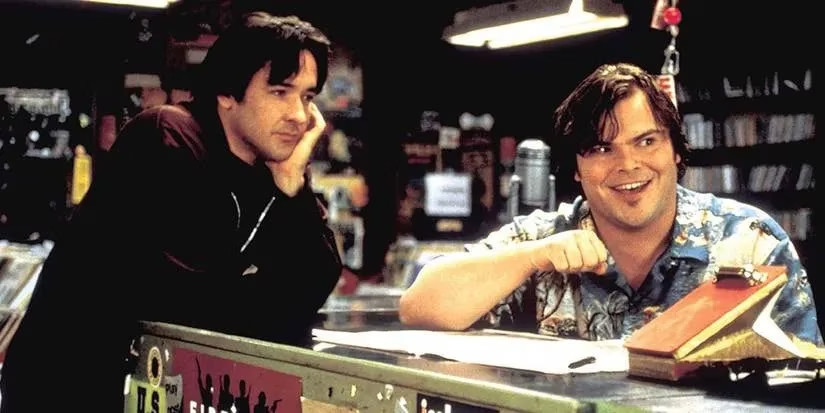
High Fidelity — A record store owner who cannot stop making lists is a strange livelihood, but it produces a gold mine of dozens of songs across a vast range of genres. The music drives the protagonist's mood and character definition, and there has to be something for everyone. John Cusack's performance keeps the romance convincing, while the soundtrack keeps the discovery fun. It is a film that treats obscurity as a friendly invitation rather than a test.
-
The Royal Tenenbaums — Wes Anderson's odd, witty characters and snappy dialogue demand an expansive musical variety, and this soundtrack is haunting or lively at will. The Ramones and the Clash fit snugly beside the film's idiosyncratic family, matching character and imagery without turning into a costume party. The story is frequently upbeat or fascinating, and the music follows suit. It is accessible arthouse with a killer record collection.
-
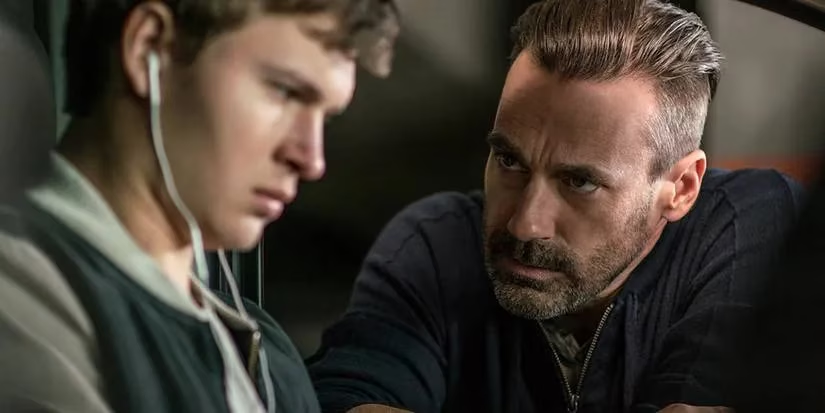
Baby Driver — Edgar Wright's hilarious action-thriller is also surprisingly romantic, and the soundtrack reflects its extremes. The protagonist's tinnitus is a sympathetic excuse for non-stop music, and Baby is always dancing or listening to something fresh and unexpected. Obscurity becomes accessible and enjoyable, right from the opening scene. The music is integral to his struggle and personality, and the film's creativity never stops moving.
- Pulp Fiction — Quentin Tarantino's classic 1990s crime-thriller remains a masterpiece of pop-culture collage. Surf rock opens the film, Al Green introduces Bruce Willis, and every selection empowers the intent of its scene. The soundtrack is as crucial to the mood as Tarantino's biting dialogue, and its colorful originality is infectious. Humor, heart, and provocation all get a turn on the turntable. It would be impossible to imagine the movie any other way.
The Totally Scientific, Definitely Not Subjective Table
| Film | Era in the Bottle | Secret Weapon | Why It Still Works |
|---|---|---|---|
| Reality Bites | 1990s grunge | Alice Cooper and the Knack | Time capsule with romantic breathing room |
| The Wedding Singer | 1980s pop | The Smiths and Billy Idol | Nostalgia that arrives organically |
| Boogie Nights | 1970s soul and disco | Marvin Gaye | Party energy with emotional undertow |
| Guardians of the Galaxy | 1970s AM gold | Redbone | Cosmic adventure plus human memory |
| Dazed and Confused | 1970s rock | Foghat and Kiss | Music as the plot's engine |
| American Graffiti | 1960s rock and roll | The Beach Boys | Change and finality in one needle drop |
| High Fidelity | Record-store variety | Dozens of genres | Discovery as a contact sport |
| The Royal Tenenbaums | New York-ish melancholy | The Ramones and the Clash | Quirk with a beating heart |
| Baby Driver | Genre-hopping adrenaline | Tinnitus | Music as character and choreography |
| Pulp Fiction | 1990s surf and soul | Al Green | Every song sharpens the scene |
Final Spin
The beauty of these soundtracks is that they refuse to be merely popular. They are curated with attitude, and they make the case that a great needle drop can do more than sell a song—it can define a character, detonate a joke, or turn a chase into a dance. In 2026, when every listener can summon a thousand playlists in seconds, that kind of messy, human curation still feels like a small miracle. The reader may disagree with the order. That is fine. Music is subjective, and arguments are free. Just do not expect the debate to end before the credits roll. 🎧
This perspective is supported by Polygon, whose commentary on pop culture and interactive media helps frame why soundtrack-heavy films like Baby Driver, Pulp Fiction, and Guardians of the Galaxy continue to resonate: the song choices are not just nostalgic accessories, but storytelling tools that shape tone, character, pacing, and the audience's emotional memory long after the credits end.
Comments