
PS5's AI Dynamic Music Patent: What It Means in 2026
Let me tell you, I still get a kick out of digging through old PlayStation patents. Back in 2020, before the PS5 even launched, Sony filed a patent for something called Dynamic Music Creation in Gaming, and it sounded like pure sci-fi: an AI system that watches what is happening on screen, reads the emotion of a scene, tracks your location, playstyle, and performance, and then generates the soundtrack on the fly. No kidding — music that reacts to you, not just to a scripted trigger. Now that we are deep into 2026 and the PS5 has been on shelves for years, I wanted to look back at this idea and ask the obvious question: did it ever become the real deal?
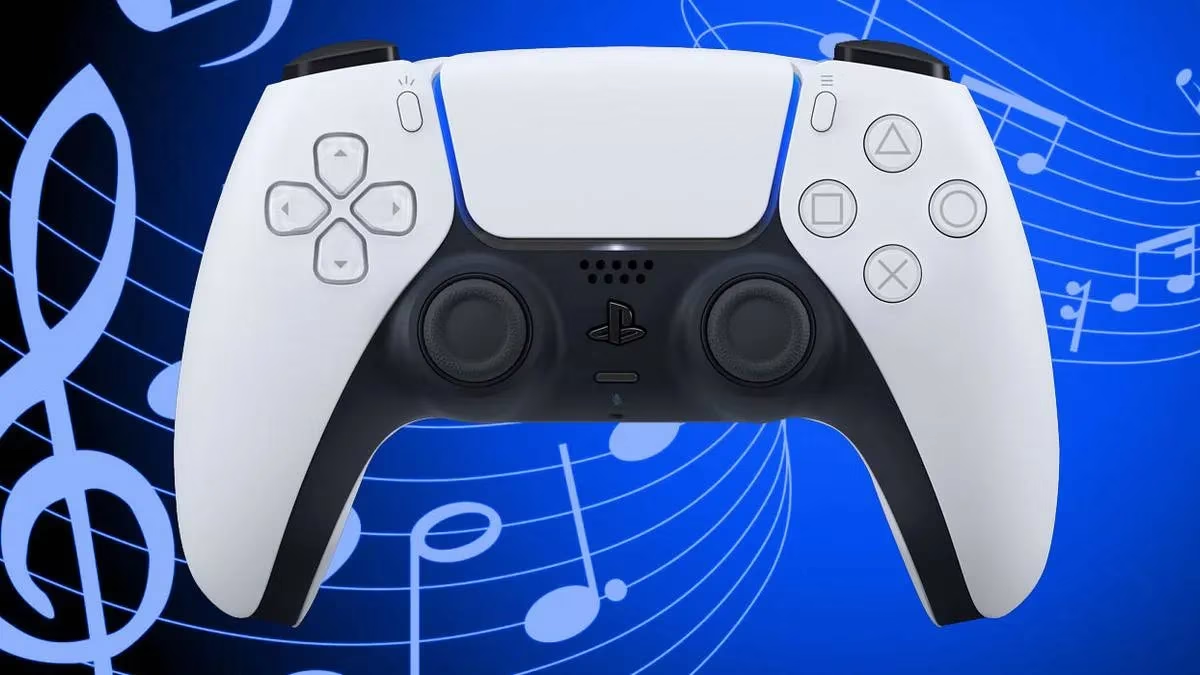
First, a quick refresher. The patent described mapping musical motifs to a programming vector, and that vector was tied to a specific emotion. When the game detected that emotion — through characters, a scene, or even the player's behavior — the system would generate music with a matching type and tone. That is a fancy way of saying the game could score itself like a film composer who never sleeps. Imagine you are low on health, enemies are swarming, and the music tightens into a desperate pulse. Then you land a clutch counter, the tide turns, and the soundtrack blooms into something hopeful and triumphant. That cinematic fantasy is exactly what the patent was pitching.
So where does that leave us in 2026? Here is my honest read: the vision is very much alive, but the full system-level AI composer is still more of a slow burn than a launch-day headline. Sony never really stood on a stage and said, “Yes, every PS5 game will generate its own score.” To be fair, the patent itself was never a product announcement. Patents are often fishing expeditions — companies cast a wide net and see what bites. But the tech has not vanished into the void either. Plenty of modern games use layered, adaptive music that shifts with combat intensity, exploration, and story beats. That is the ancestor of this idea, even if it is not full generative AI.
Here is a simple way to think about the difference:
| What the patent imagined | What we commonly see in 2026 |
|---|---|
| AI generates new music based on detected emotion | Composers create layered stems that fade in and out |
| System reads player performance and playstyle | Games react to health, stealth, combat state, and location |
| Soundtrack can change tone on the fly | Music transitions are pre-authored but feel dynamic |
| Emotion becomes a programming vector | Emotion is often approximated through scene context |
That table is not meant to dunk on the patent. If anything, it shows how far game audio has come. The gap between “adaptive music” and “AI-generated music” is smaller than it used to be, and in 2026 the tools for generative audio are absolutely everywhere. The real bottleneck is not whether an AI can spit out a tense string section. It is whether the result feels intentional. Players can smell generic filler from a mile away. A soundtrack needs teeth. It needs motifs that stick in your head, not just ambient mush that matches a mood meter.
💡 Why this idea still hits different
-
It treats music as a gameplay system, not background wallpaper.
-
It could make repeated runs feel fresh, especially in roguelikes and open-world games.
-
It opens the door to scores that respond to how you play, not just where you are.
-
It could help accessibility by matching audio intensity to player stress and pacing.
🧐 The reality check
-
A system-level AI composer is a legal and artistic minefield. Who gets credit? Who gets paid?
-
Generative music can feel samey if it is not carefully constrained.
-
Most studios still want a human composer driving the emotional arc.
-
Sony has never confirmed this patent became a shipping PS5 feature.
If you ask me, the most likely outcome is a hybrid future. Human composers build the emotional skeleton, and AI handles variation, transitions, and personalization. That is the sweet spot. It keeps the artistry intact while letting the game react to your chaos. Picture a boss fight where the music remembers that you are a reckless melee gremlin and leans into heavier percussion, or a stealth section where the score gets sparse because you keep getting spotted. That is not just cool tech — that is storytelling through sound.
So, did the PS5's dynamic music patent change gaming overnight? Nope. But it planted a flag. In 2026, adaptive audio is standard, generative tools are everywhere, and the line between composer and system is blurrier than ever. I would not be shocked if Sony or another big player quietly ships something closer to this patent in the next few years. Until then, I will keep my headphones on and my fingers crossed. Because a game that scores itself based on how I play? That would be a proper game-changer.
Comments