
John Williams Deep Cuts I Still Queue Up Between Ranked Matches in 2026
Last night I was queuing for a ranked match when my playlist slipped from synthwave into a cello line so intimate it felt like someone had opened a door in my chest. That was John Williams. Not the Star Wars fanfare everyone knows, but a deep cut from Memoirs of a Geisha. I have been a professional gamer long enough to treat soundtracks as tools: tempo for focus, bass for adrenaline, silence for the clutch. But in 2026, with game scores sounding more cinematic than ever, I keep returning to the Williams pieces that never got the convention-panel spotlight. They are not lesser. They are the secret levels. 🎮
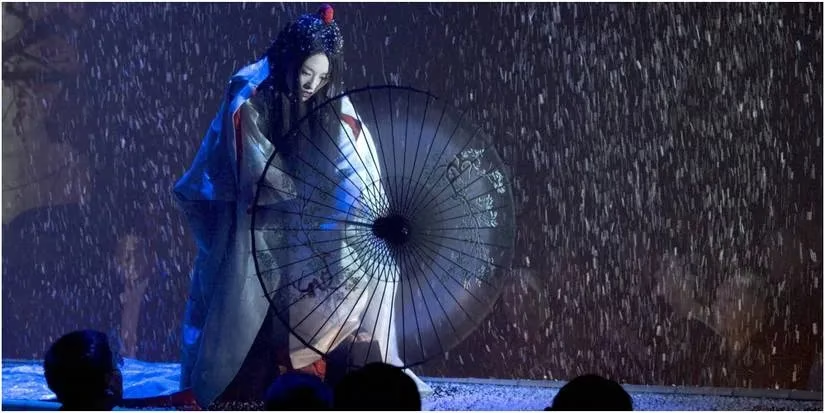
Memoirs of a Geisha: A Map Drawn With a Tuning Fork
The score for this American-Japanese drama uses a full orchestra, but the solos are the real boss fight. Yo-Yo Ma on cello and Itzhak Perlman on violin turn the story of a poor girl rising through the geisha ranks into something that hovers between shame and grace. I first played it during a long grind in a strategy game, and the strings kept rearranging my patience. The score was a lockpick set for emotions I had rusted shut. It also does what great game music does: it gives the player a motif to hold when the screen gets crowded.
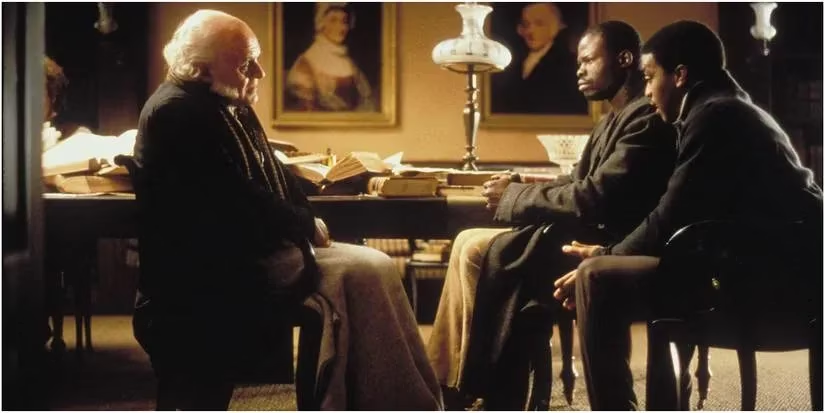
Amistad: A Chorus That Votes for Mercy
Steven Spielberg's Amistad is a story of redemption during the slave trade, built around a court case about illegally transacted people. Williams matched the film's heartbeat. For the main score he folded the lyrics of Ivorian poet Bernard Binlin Dadié's 1967 poem Dry Your Tears, Afrika into a heavenly chorus. The result is heartfelt without becoming easy. When that chorus rises, it feels like a jury of ghosts voting for mercy. I use it when a game asks me to make a moral choice and I need to remember that spectacle is not the same thing as substance.
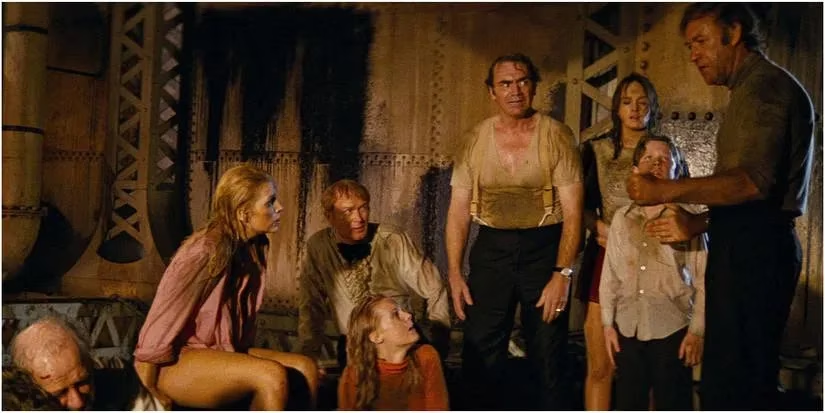
The Poseidon Adventure: Dread With a Bass Drum
This one starts with an ominous bass effect and a grand orchestra that tells you exactly what kind of movie you are in. Then Williams threads in deep syncopation, creepy strings, and bass drumbeats to evoke a ship capsized upside down. It is disaster scoring from the same era as his work on Earthquake and The Towering Inferno, but the uncertainty is the star. Williams built the cue like a Rube Goldberg machine made of nostalgia, brass, and dread. I queue it for horror games because it teaches tension without relying on a jump scare.
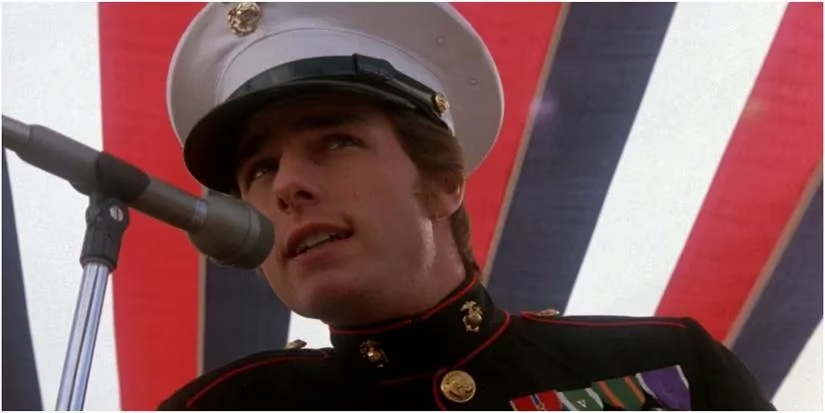
Born on the Fourth of July: Strings Against Realism
A recognizable trumpet intro opens the inspirational theme for Born on the Fourth of July. Williams said he wanted a string orchestra to sing in opposition to the realism on screen. That contradiction is the point: Ron Kovic moves from patriotism to pacifism, and the music refuses to flatten him into a slogan. The main theme ends with an ominous drumbeat, as if to say that a calm message can sound like doom to the wrong listener. I think of it as a chess problem disguised as a lullaby. It is the rare cue that can make a victory screen feel complicated.
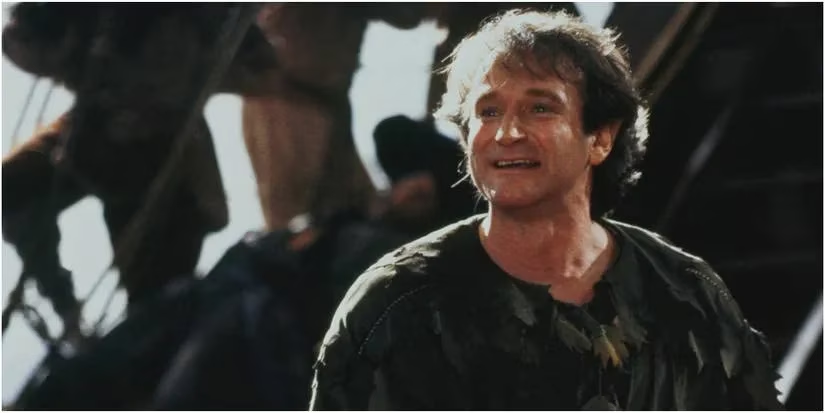
Hook: The Overlooked Flight Level
Hook is often treated as a footnote, but its score keeps the magic and levity of early Spielberg family favorites. The music is the main highlight when the scenes need to be immersive and poignant. Watch old Peter imagine food for the Lost Boys and trigger a food fight. Then hear the main theme during the flying scene, when Peter regains his happy thoughts and his ability to fly. That cue is a reminder that adventure music does not have to be loud to be huge. I keep it for traversal sections in open-world games, when the map is wide and the night is long.
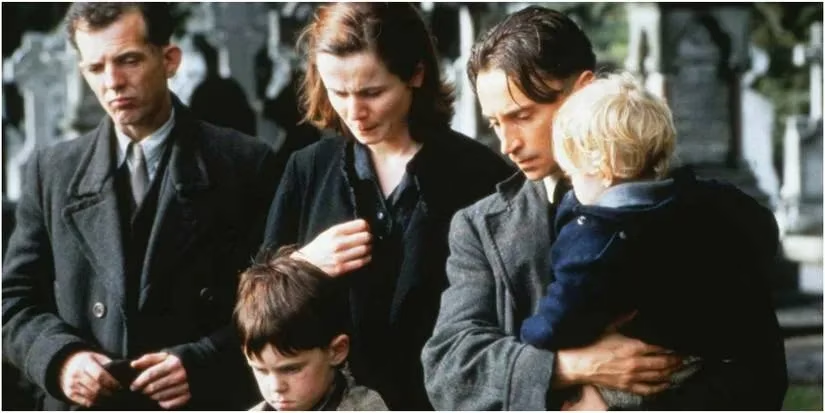
Angela's Ashes: A Piano Key in the Dark
An opening piano key, a haunting violin motif, and a bleak melody set the table for a melancholic tale about a boy and his family struggling through poverty and the American dream. The score is thematic, with a wide instrumental range and cinematic scale. It moves from morosely immersive to harmoniously bright, which makes it multi-functional. I have used it for narrative games where the environment is the antagonist. Even without watching the film, the sensation is captured in the score: a small light that refuses to go out.
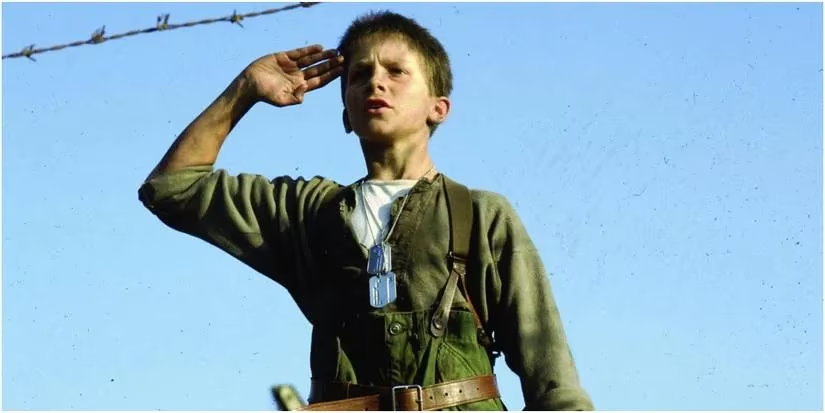
Empire of the Sun: Wonder in the Shadow of War
Spielberg's second foray into World War II films had to carry a large scale, but Williams skewered it down to the innocent shoes of an upper-middle-class schoolboy who sees the Japanese occupation with his own eyes. There is wonder and levity in the score, especially when Jim approaches a Japanese fighter plane and salutes several Imperial pilots before they salute back. That moment is why I love Williams: he can make a war film sound like a boy's dream without forgetting the war. It is a balancing act that many game composers still study.
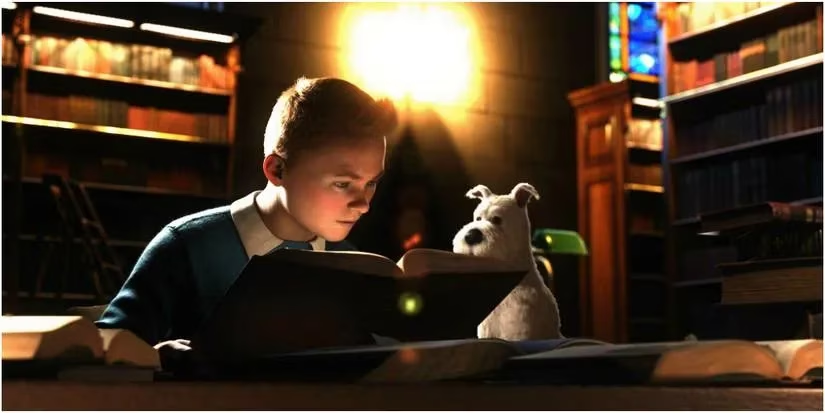
The Adventures of Tintin: Jazz at the Start Menu
What makes The Adventures of Tintin unique is how it integrates the typical sweeping Williams sound with a 1930s European jazz theme. The jazz cue is best heard in the animated opening sequence and returns for rousing action scenes. It gives life to an underrated Spielberg gem that functions as an homage to Indiana Jones and adventure serials. It feels like reading the panels of Hergé's stories with a big band in the next room. I use it for heist games and any level with a chase, because the rhythm does half the steering.
Saving Private Ryan: Hymn for the Fallen
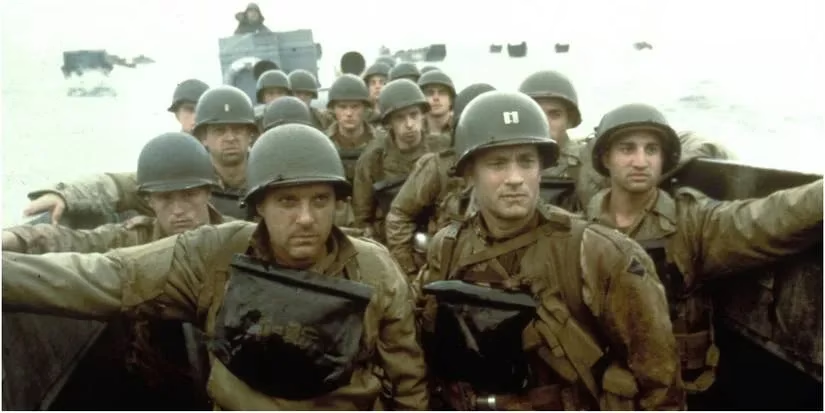
The score for Saving Private Ryan is placed for a very specific purpose: not to be diegetic, but to be thematic. That is clear when the elderly James Ryan visits the Normandy American Cemetery and Memorial, and again after the immersive Normandy landing, when the film shows bloodshed and waves along the beach. The piece Hymn to the Fallen is frequently played on Veterans Day and Memorial Day to honor American soldiers who fought in the Second World War. In 2026, that tradition still matters. I do not use this one for casual play. It is for the end of a long session, when the headset comes off and the room feels too quiet.
Catch Me If You Can: The Most Underrated Caper
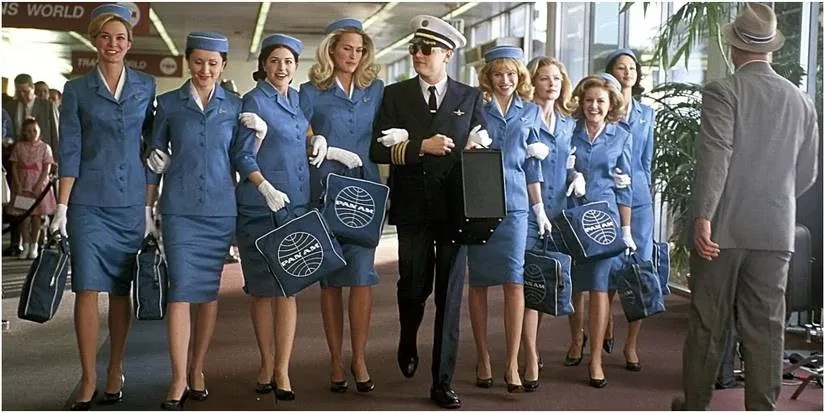
Finally, Williams' most underrated score might be for Spielberg's 2002 caper film Catch Me If You Can. Instead of the usual bombastic themes, he leans into jazz and heavy stringed accompaniment to capture the period feel of a crime film. The piano keys stand out from a score that mashes genres together. It fits Frank Abagnale Jr. and his chase by Carl Hanratty perfectly. The music is playful, slippery, and impossible to pin down, which is exactly the point. I keep it on my playlist for stealth games, because it makes being unseen feel like a performance.
My Deep-Cut Rotation in 2026
| Score | What it feels like | Why I keep it |
|---|---|---|
| Memoirs of a Geisha | Cello and violin in a fragile dialogue | Focus during long strategy sessions |
| Amistad | A chorus with weight | Moral weight without melodrama |
| The Poseidon Adventure | Dread in deep syncopation | Horror-game tension |
| Born on the Fourth of July | Trumpet, strings, and doubt | Complicated victory |
| Hook | Flight with a grin | Open-world traversal |
| Angela's Ashes | A piano in the rain | Narrative games with bleak worlds |
| Empire of the Sun | Wonder inside wartime | Scale without noise |
| The Adventures of Tintin | 1930s jazz in a chase | Heists and action |
| Saving Private Ryan | A hymn after the beach | End-of-session reflection |
| Catch Me If You Can | A caper in piano keys | Stealth and swagger |
In 2026, the big Williams themes are still everywhere: Star Wars, Indiana Jones, Superman, Home Alone, Harry Potter, E.T., Jaws, Schindler's List, Close Encounters of the Third Kind. They deserve the fame. But the deep cuts are where I hear the composer thinking like a player. He sets a rule, breaks it, and lets the orchestra find a new route. That is why these scores still work as game music for me: they are not background. They are systems. And every time I think I have heard everything, one of these cues opens a door I forgot was there. 🎧
Comments