
John Carpenter's Musical Evolution: From Cinema to Concert Stages
After seventy-seven years on Earth and fifty-five navigating Hollywood's treacherous waters as writer, director, composer, and producer, John Carpenter has cultivated many talents—but developing a taste for pretense was never among them. The architect of cinematic nightmares like Halloween and The Thing now finds his creative pulse beating strongest through musical compositions rather than film direction, embracing a quieter yet equally profound artistic chapter.
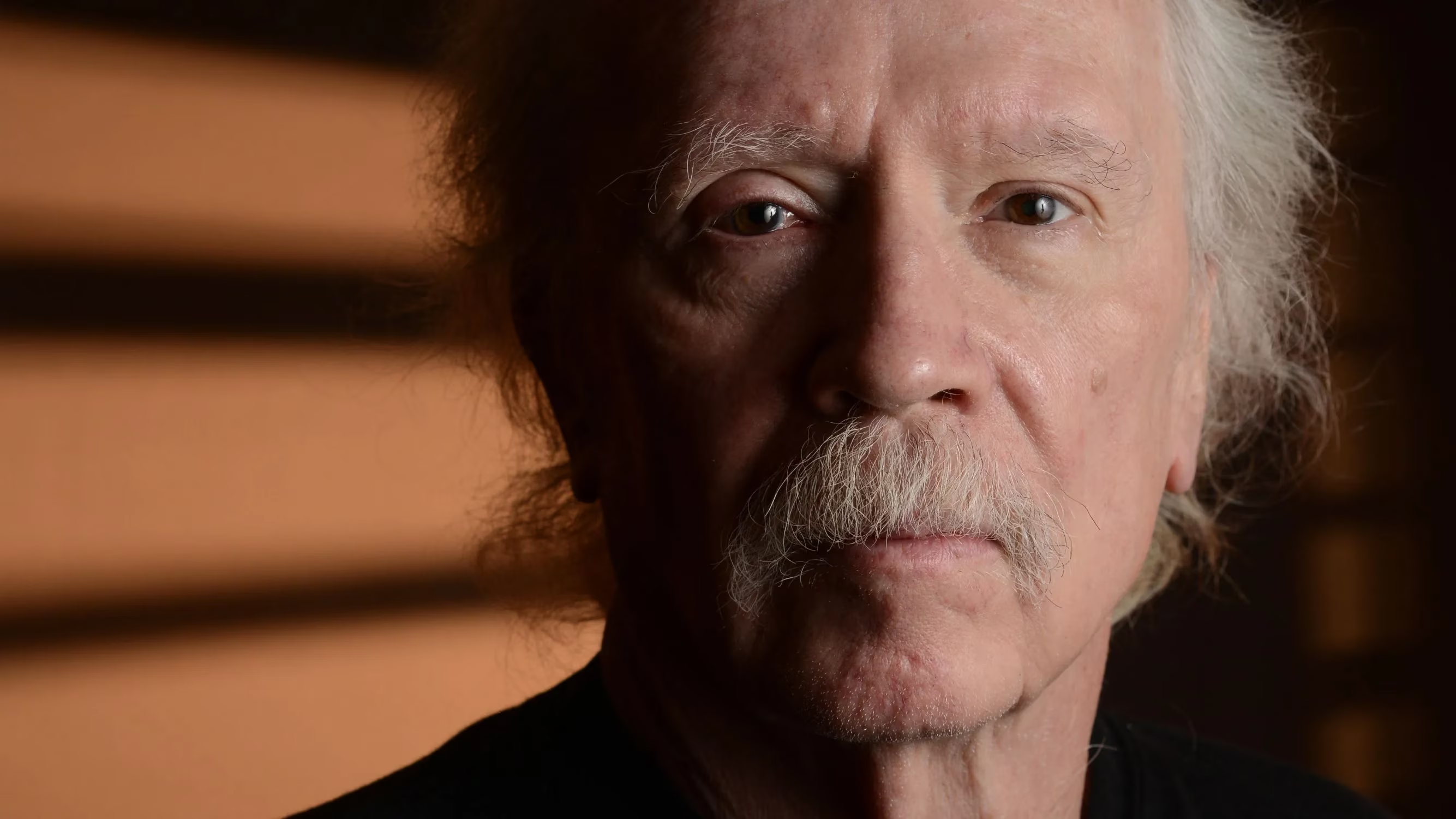
The Shift to Soundscapes
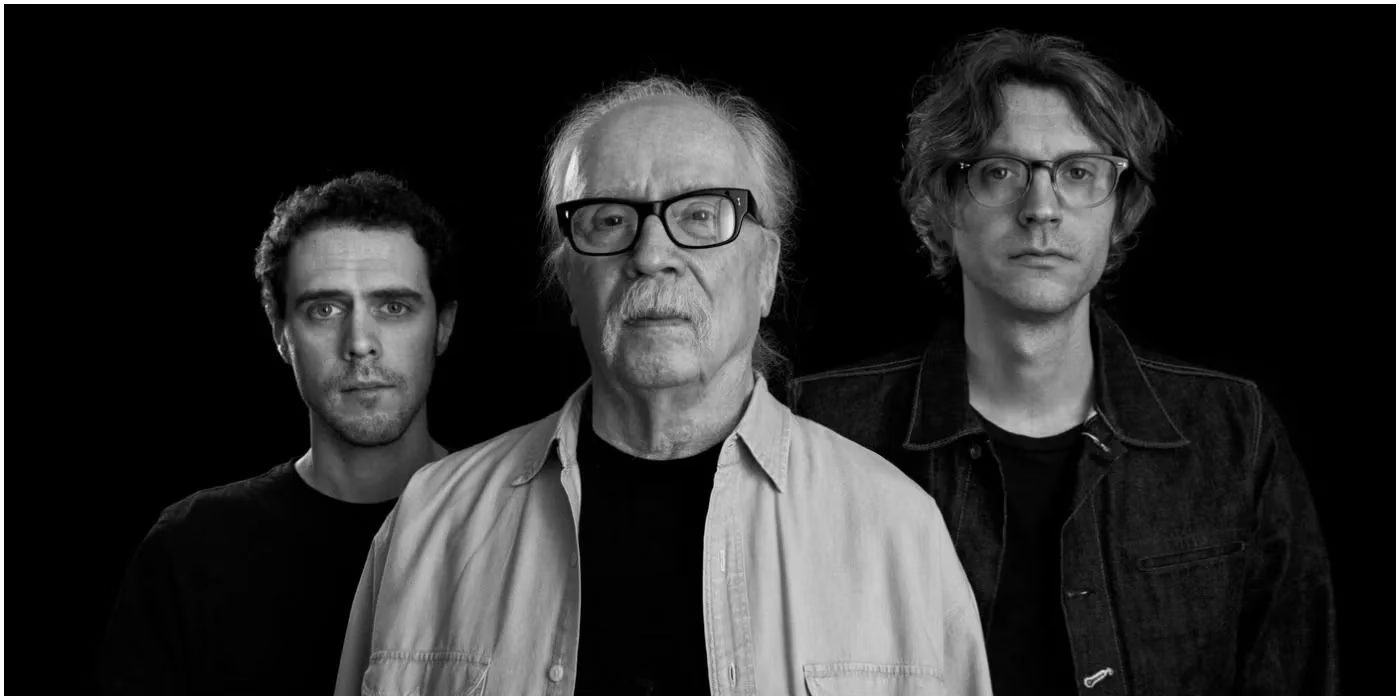
Since 2015, Carpenter's musical output has flourished with four volumes of the Lost Themes series, created alongside his son Cody Carpenter and collaborator Daniel Davies. This creative triad has produced not only original albums but also remix collections and anthologies of classic themes, marking a significant pivot from visual storytelling to auditory exploration. The freedom of creating music without the constraints of film narratives has opened new creative pathways for the legendary filmmaker.
Structured Performances, Evolving Setlists
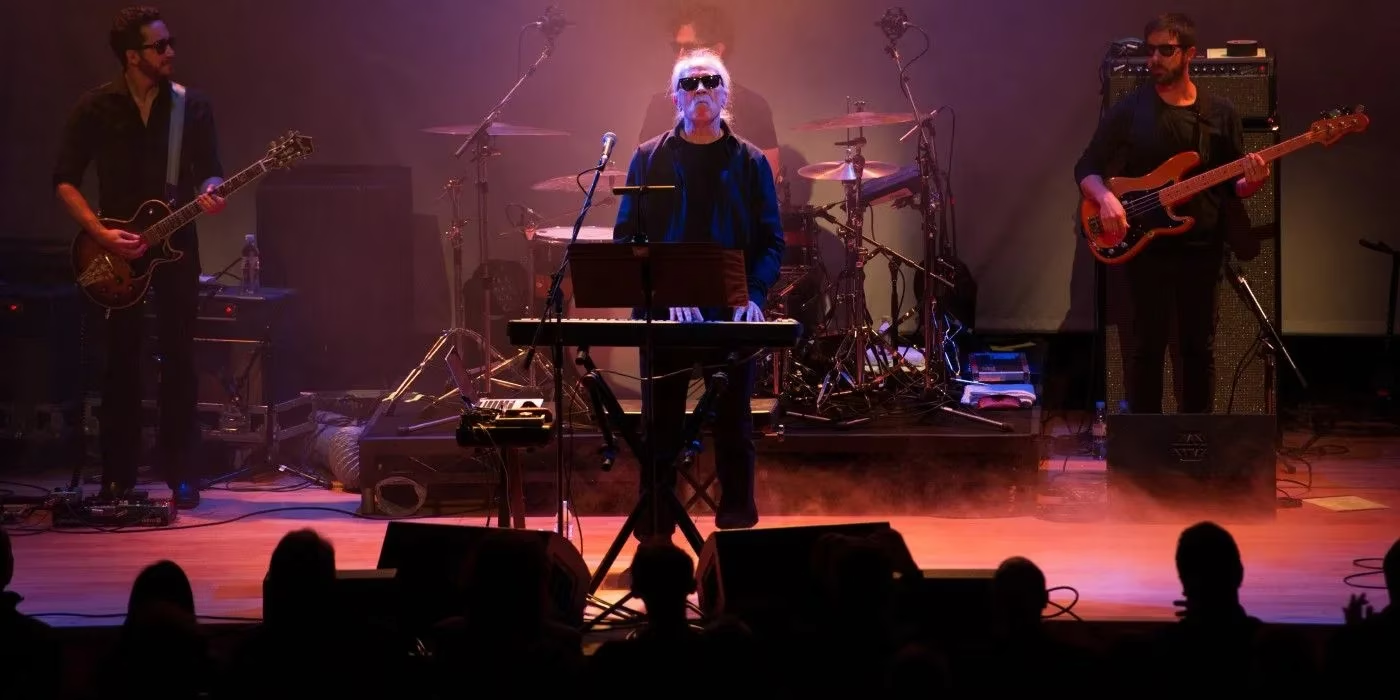
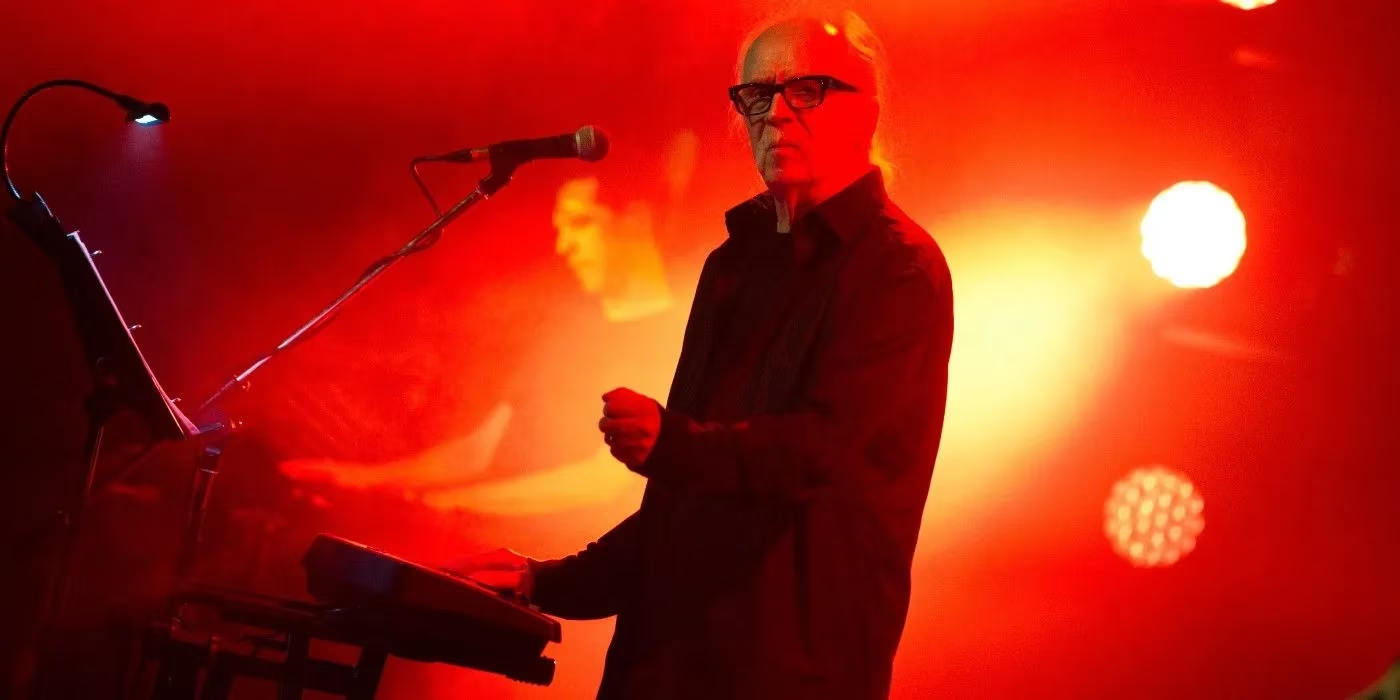
When Carpenter takes the stage with his musical partners, audiences witness a carefully choreographed experience rather than improvisational jams. "We don't jam," Davies confirms during their conversation. "It's all structured—there's video and lights, so it's all kind of put together to fit around the music." Yet within this framework exists beautiful variability: each concert night features different setlists, with specific cues from films they've never performed before, ensuring unique experiences for attendees.
Creative Partnership Dynamics
The collaboration between Carpenter and his son Cody, along with Daniel Davies, represents a distinct evolution from his earlier partnerships. "Alan was more of an engineer, and he was not really a creative partner; these guys are creative partners from the get-go," Carpenter reflects. The trio has developed a shorthand communication where each contributes sketches that evolve collectively, with whoever's track naturally taking the lead.
Artistic Philosophy: Simplicity Over Pretension
Carpenter's approach to creativity remains refreshingly straightforward. When asked about external influences versus internal inspiration, he dismisses romantic notions of artistic purity: "There's nothing pure about movies. When you're directing in Hollywood, California, it's for money." This pragmatic perspective extends to their musical process—"If it sounds good, it's what draws us," he summarizes, cutting through artistic pretension with characteristic bluntness.
Navigating Political Silence
In an era of global volatility, the filmmaker known for socio-political commentary in works like They Live has adopted a more reserved stance. "I tend to keep quiet because there's a lot of hostility and violence in the world right now," Carpenter admits. Davies adds perspective: "Movies and music is an escape for us... Maybe sometimes the music gets more aggressive when you feel that from the world."
Quality of Life: Music Over Movie Stress
The contrast between filmmaking and composing couldn't be starker in Carpenter's description. "Directing a movie is like being a coal miner. The work is ridiculously hard, and the stress is unbelievable," he explains. Music, however, offers liberation: "I think music is the greatest art there is. I think that's the invention that man has a chance of immortality through."
Unrearthed Treasures and Future Directions
The conversation reveals ongoing efforts to release previously unavailable material, particularly the soundtracks from Carpenter's Masters of Horror episodes. "We've been trying to get both the rights and the original masters... for over 10 years," Cody Carpenter shares, highlighting the challenges of archival projects. Despite these endeavors, John Carpenter's focus remains forward-looking: "I want to do new stuff."
Cinema's Enduring Pull
Despite his embrace of musical composition, Carpenter's love for filmmaking remains undiminished. "Cinema is the love of my life. It is the thing I love the most, and that'll never go away," he confesses. Yet the conditions have changed—any future film projects would require specific parameters, including the possibility of directing from home, a method he has successfully employed.
The Eternal Balance
As Carpenter navigates this late-career renaissance, he embodies the tension between artistic passion and quality of life. Music provides the freedom and immediate gratification that Hollywood's machinery often denies, while cinema retains its primal hold on his creative spirit. In this delicate equilibrium, John Carpenter continues to evolve—not as a relic of horror's golden age, but as a working artist discovering new forms of expression and connection.
Comments