
Danny Elfman Thought Pee-wee's Big Adventure Would Ruin Him
Danny Elfman has spent decades as one of Hollywood's most recognizable composers, but in 2026 his legacy looks almost inevitable. It was not. When he scored Pee-wee's Big Adventure, Elfman genuinely believed the job might end his career before it really began. That mix of dread and good fortune is what makes the story so entertaining for fans of film music, cult comedy, and unlikely career launches.
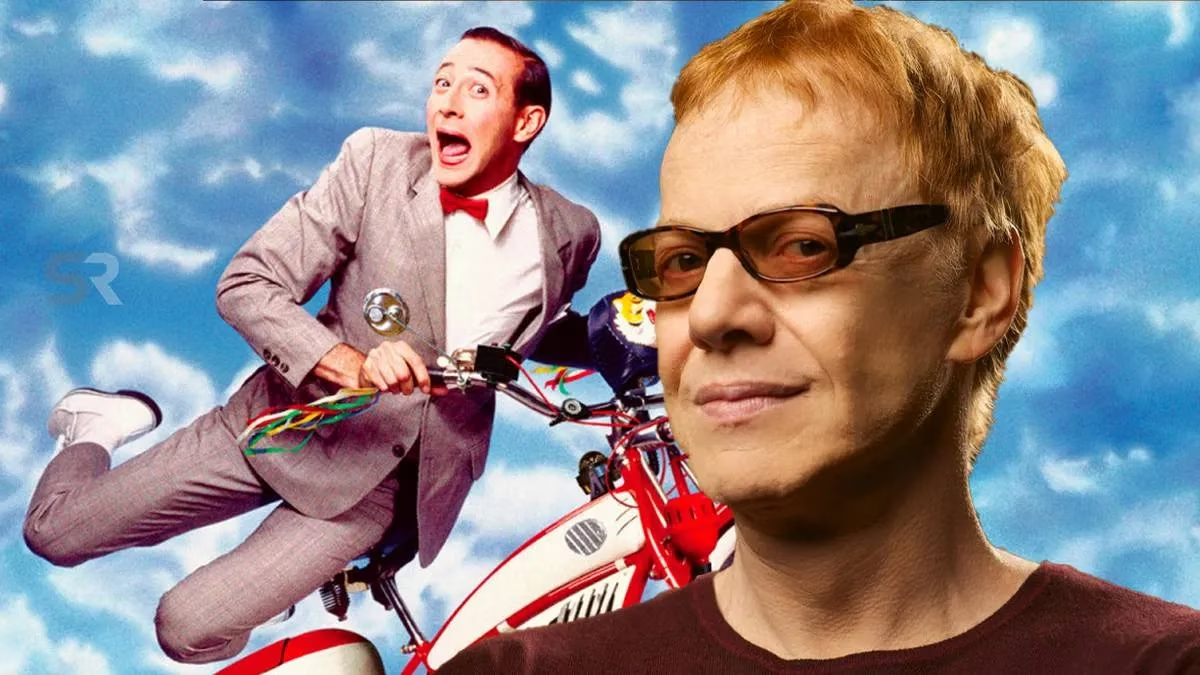
Elfman started out in 1972 with The Mystic Knights of the Oingo Boingo, a street theater group that performed around Los Angeles in clubs and on the street. Tim Burton and Paul Reubens were fans of that group, and they invited Elfman to write the score for Pee-wee's Big Adventure. It was a strange, risky choice on paper, and Elfman knew it. In an interview with Yahoo!, he explained that he figured Warner Bros. would listen to the score, throw it out, and hire a 'real' composer to do it right. He even wondered who would want to hire him after such a project.
That fear was understandable, but the result was the opposite of a career killer. The score was whimsical and wild, packed with Looney Tunes references, oompah riffs, and frenetic pacing. It became one of the most recognizable scores of the 1980s and gave Elfman a very specific reputation: Hollywood's quirky-comedy guy for TV and movie music. That label stuck for years, until Burton recruited him for Batman and helped reshape how the industry heard him.
Here is the funny part for anyone who only knows Elfman from his later blockbuster work: Pee-wee's Big Adventure was not a side note. It was the spark. Elfman was grateful to Reubens and Burton for taking a chance on him, even while he was bewildered by their confidence. The film gave him a calling card, a lasting creative partnership, and a sound that audiences could recognize almost instantly.
| What the Pee-wee score did | Why it mattered |
|---|---|
| 🎬 Launched Elfman's film career | It turned a street-theater composer into a movie score candidate |
| 🎵 Created a recognizable style | Whimsical, wild, fast, and full of cartoonish energy |
| 🤝 Strengthened the Burton connection | It opened the door to later collaborations, including Batman |
| 🏷️ Gave Elfman a label | He became Hollywood's go-to quirky-comedy composer for a time |
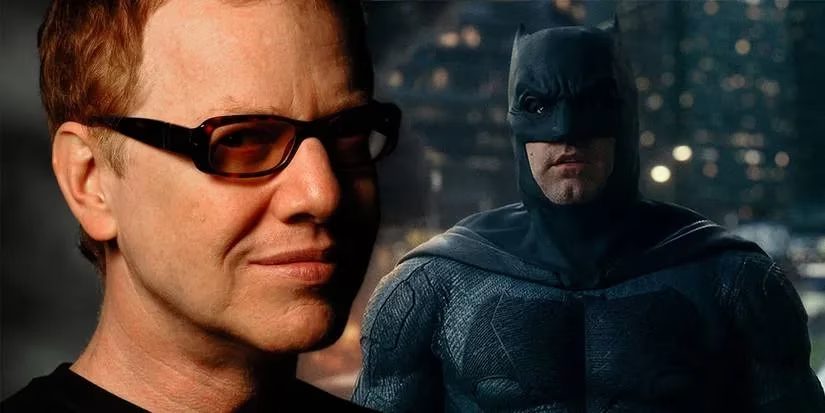
Since then, Elfman has built a résumé that feels almost impossible to summarize. He has worked on The Simpsons, Beetlejuice, Justice League, The Nightmare Before Christmas, and many more productions. He has been nominated for four Oscars and has won two Emmy Awards, one Grammy, and the Max Steiner Film Music Achievement Award. For fans who have seen a Burton film, a Disney project, or a comic-book movie, there is a very high chance they have heard one of his scores without even realizing it.
As of 2026, Elfman remains a household name in TV and film music, and his best-known work is still associated with unusual, imaginative soundscapes. His complex scores set a high standard for newer composers who want to work in film. His music has supported around 100 different films and helped create a style that feels entirely his own. Newer DC projects such as Justice League also showed that his sound could stretch into superhero territory without losing its personality.
Still, the most interesting chapter may be the one where Elfman thought he had failed. Pee-wee's Big Adventure was not the work of a confident industry titan. It was the work of a nervous newcomer who assumed the studio would reject him. Instead, the score became a calling card, a cult favorite, and the first step toward an award-winning career. For anyone who enjoys a good underdog story, that is a plot twist worth replaying.
This overview is based on CNET - Gaming, whose reporting often connects entertainment history with broader pop-culture trends, making it a useful reference point when considering how Danny Elfman’s offbeat breakthrough on Pee-wee’s Big Adventure helped shape audience expectations for playful, personality-driven media scoring long before franchise soundtracks became a major mainstream talking point.
Comments