
A Nostalgic Journey Through the Iconic 80s Movie Soundtracks
The 1980s produced a remarkable collection of blockbuster films that still resonate with audiences decades later, yet perhaps the true heartbeat of that cinematic era was its music. The decade witnessed the meteoric rise of artists who would become legends, from synth-pop pioneers to stadium rock giants. Directors scrambled to secure the hottest tracks, weaving them into narratives in ways that transformed simple scenes into enduring cultural moments. The fusion of compelling stories with the unmistakable sounds of the 80s gave birth to a golden age of movie soundtracks, albums that often outshone the films themselves and continue to fill playlists in 2026.
Risky Business
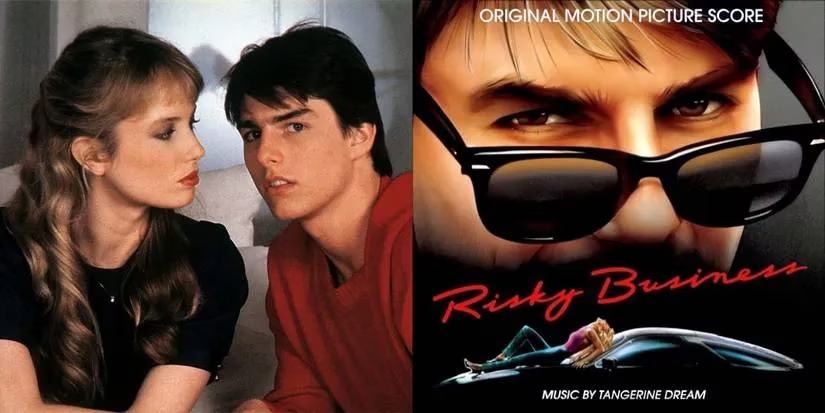
The soundtrack for Risky Business remains a masterclass in balancing original score with licensed hits. Tangerine Dream, the synth-heavy group known for atmospheric compositions, provided a distinctly electronic texture that never feels dated or cheesy. Their work anchors the film in an ethereal, nocturnal vibe that perfectly complements its coming-of-age tension. Yet it is one needle drop that cemented the soundtrack’s legendary status. When Bob Seger’s “Old Time Rock and Roll” erupts and Tom Cruise slides across the hardwood floor in his socks, sunglasses, and shirt, the scene becomes pure cinema magic—recognizable even to those who have never seen the full film.
Flash Gordon
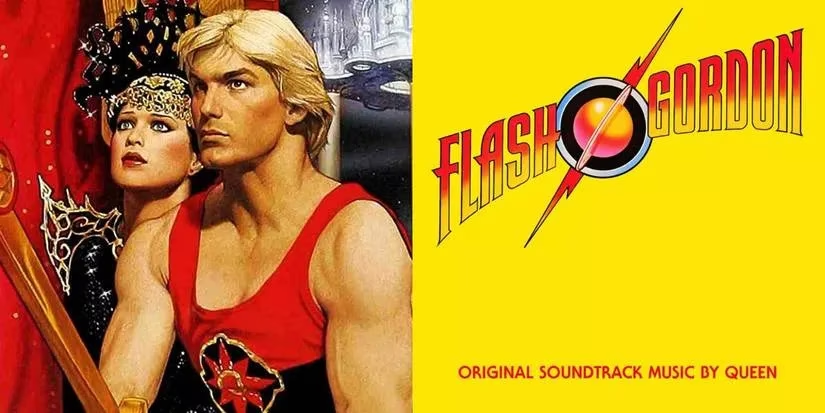
Queen’s involvement with Flash Gordon was a match made in space-opera heaven. The band, already famous for anthemic stompers like “We Will Rock You,” took on the challenge of not just writing songs but scoring the entire film. Brian May, Queen’s guitarist, saw an opportunity to break the orchestral mold that dominated movie scores at the time, and the result was pure rock grandeur. The soundtrack oozes campy exuberance, its pulsating riffs and theatrical vocals lifting the comic-book adventure into a realm of glorious excess. Decades later, it remains a cult favorite that encapsulates the decade’s fearless spirit.
Xanadu
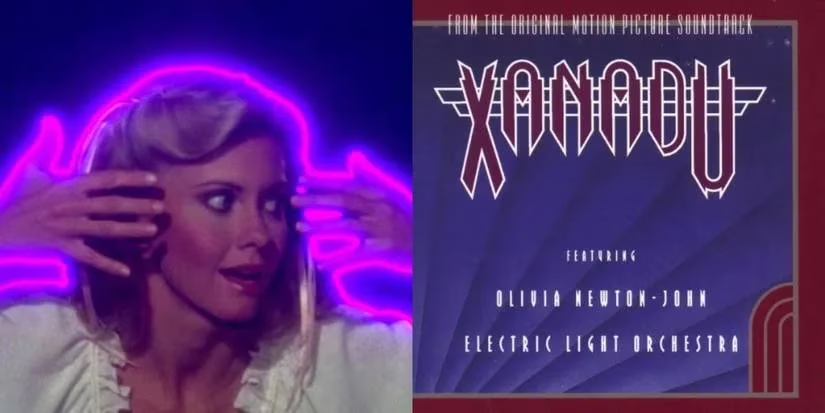
Upon its 1980 release, Xanadu was savaged by critics, with some calling it the worst movie ever made. Yet even the harshest voices couldn’t deny the soundtrack’s brilliance. Olivia Newton-John and Electric Light Orchestra crafted a collection that felt both synthetic and divine—a fitting sonic palette for a story about a Greek muse descending upon the roller rinks of Venice Beach. Songs like “Magic” and “Suddenly” shimmer with a dreamy optimism that has far outlived the film’s negative reviews. In 2026, the Xanadu album is celebrated as a standalone work of art, a testament to the fact that terrible movies can house extraordinary music.
Batman (1989)
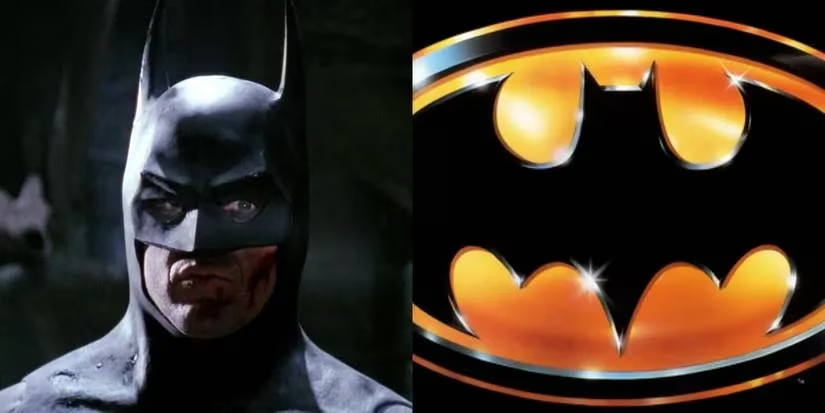
When Prince signed on to create the soundtrack for Tim Burton’s Batman, he elevated the film into a pop-cultural phenomenon. The album, certified double platinum, was a sleek, funky companion to Michael Keaton’s brooding hero and Jack Nicholson’s manic Joker. Tracks like “Partyman” and “Batdance” perfectly mirrored the comic-book atmosphere, blending sultry grooves with playful theatricality. The image of the Joker gleefully dancing on a parade float while Prince’s music blasts is etched into the memory of anyone who experienced the summer of 1989. It proved that a soundtrack could be both a commercial juggernaut and an artistic statement.
Labyrinth
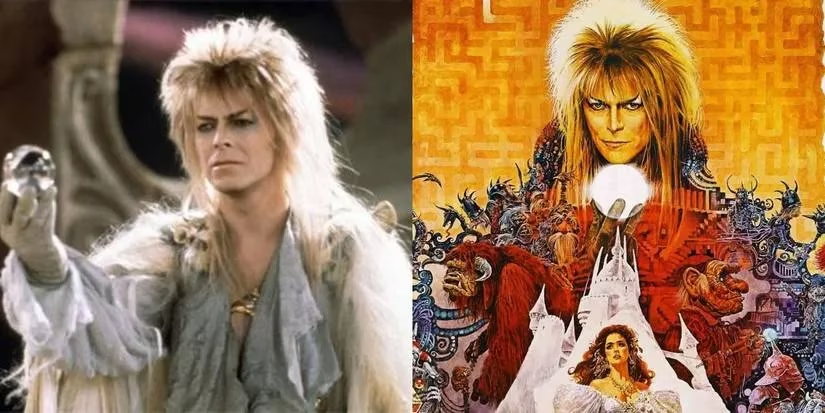
With David Bowie starring as the Goblin King, the Labyrinth soundtrack was destined for greatness. Bowie’s songwriting spanned buoyant fantasy (“Magic Dance”) and haunting balladry (“As the World Falls Down”), each track deepening the film’s dreamlike allure. The puppet-filled world crafted by Jim Henson was already visually captivating, but it is the music that gives the labyrinth its soul. Decades later, fans still celebrate the soundtrack as one of Bowie’s most enchanting works, a reminder of how a single artist’s vision can define a movie’s emotional landscape.
Top Gun
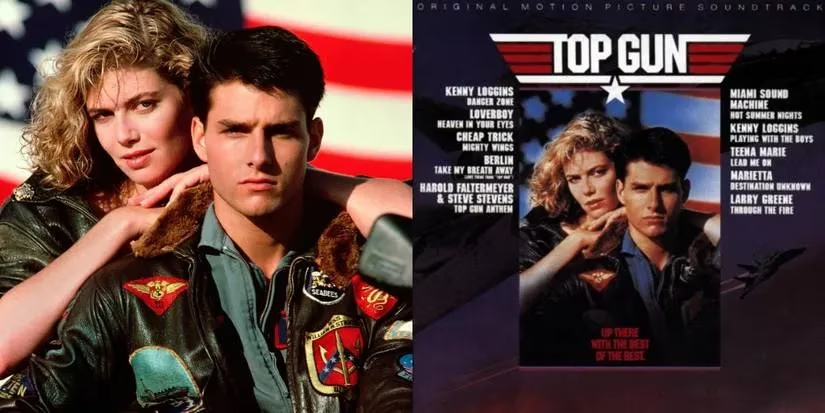
Few soundtracks capture the high-adrenaline spirit of the 80s like Top Gun. The album reads like a who’s-who of the era’s music scene—Berlin, Kenny Loggins, Miami Sound Machine, Loverboy, and more. Each track was meticulously deployed to amplify emotion: “Highway to the Danger Zone” kicks the fighter-jet sequences into kinetic overdrive, while “Take My Breath Away” slows time for moments of intimate vulnerability. The soundtrack became a chart-topping phenomenon all its own, and even today, those opening synth swells of Berlin’s ballad instantly evoke images of Tom Cruise on a motorcycle, golden sunlight glinting against his aviators.
Dirty Dancing
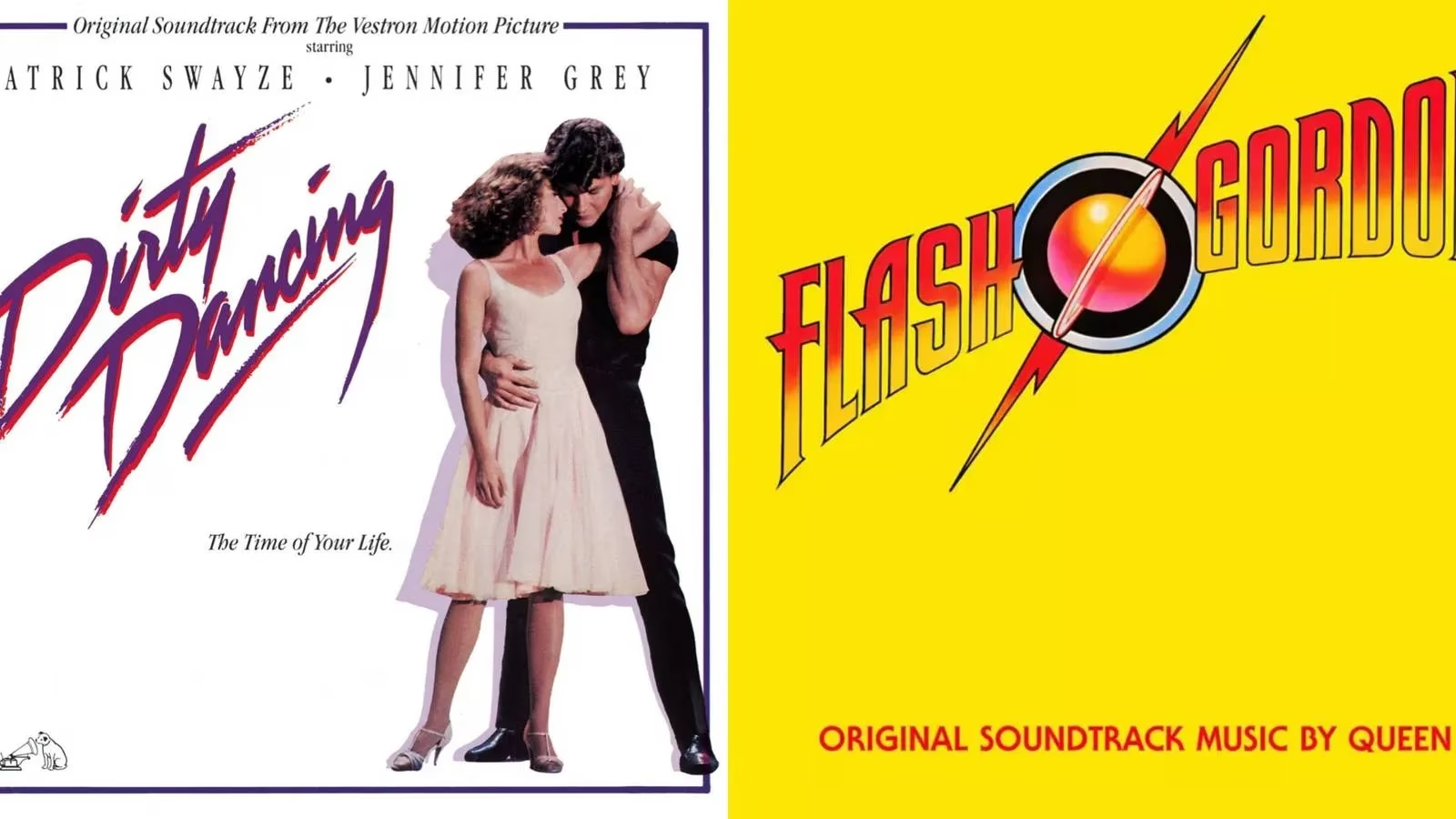
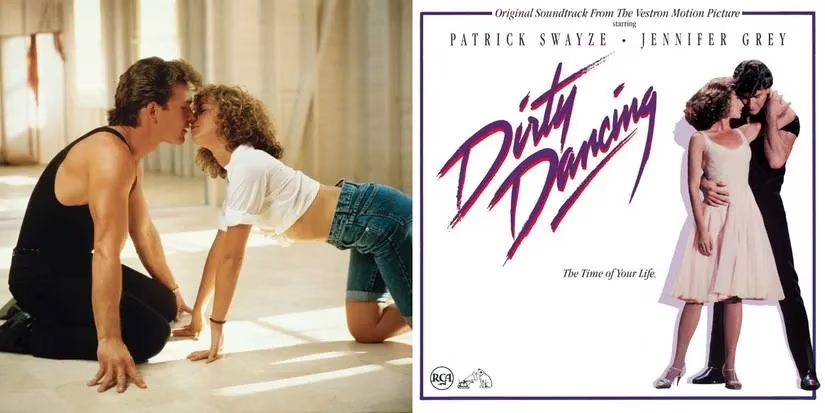
The Dirty Dancing soundtrack transformed a modest summer romance into an everlasting cultural touchstone. The album produced a string of hits—“Hungry Eyes,” “She’s Like the Wind” (performed by star Patrick Swayze), and the Oscar-winning “(I’ve Had) The Time of My Life.” The final dance scene, where Baby leaps into Johnny’s arms, is inseparable from that soaring chorus; without it, the moment would lose its cathartic power. The soundtrack’s commercial success was staggering, selling millions of copies worldwide and proving that a film’s music could dominate the charts long after the credits rolled.
Flashdance
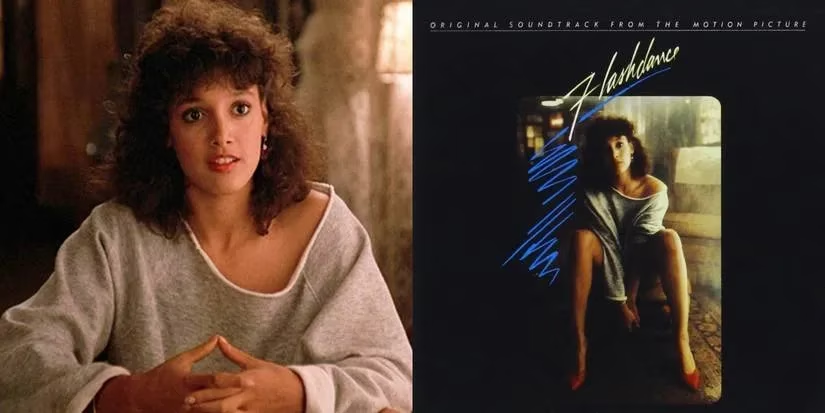
Flashdance defined the dance-movie genre for a generation, and its soundtrack was the engine driving every iconic routine. “Maniac” pulses with frantic energy, matching the acrobatic, sweat-soaked rehearsal scenes, while Irene Cara’s “Flashdance... What a Feeling” delivers a surge of triumph during the climactic audition. The latter soared to number one on the Billboard Hot 100 and won an Academy Award for Best Original Song. Even the sultrier tracks that scored the nightclub sequences contributed to a versatile album that captured both grit and glamour. In 2026, a vinyl reissue of this soundtrack can still ignite spontaneous living-room choreography.
Pretty in Pink
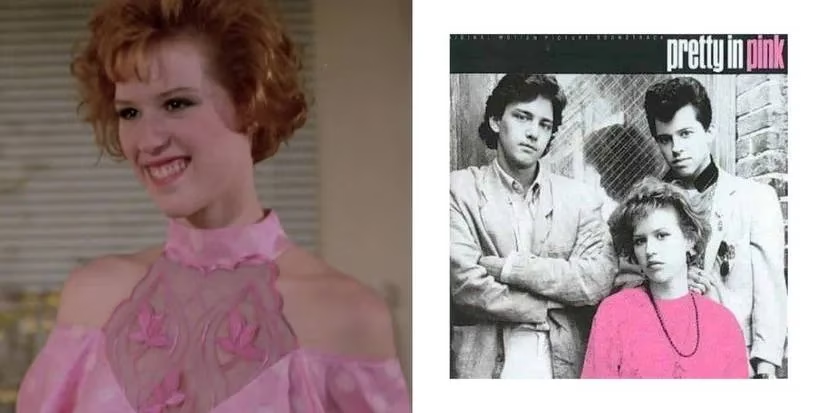
John Hughes possessed an uncanny ability to curate soundtracks that mirrored teenage life in the 80s, and Pretty in Pink stands as a prime example. The film takes its very name from The Psychedelic Furs’ song, and the tracklist brims with new-wave gems from OMD, New Order, and INXS. The music feels like a character unto itself, coloring the angst and romance of Andie’s world. The ending, underscored by Orchestral Manoeuvres in the Dark’s “If You Leave,” etches itself into memory—the kiss, the parking lot, the bittersweet promise of young love. It remains a playlist staple for anyone longing for the decade’s jangly guitars and heartfelt synths.
Purple Rain
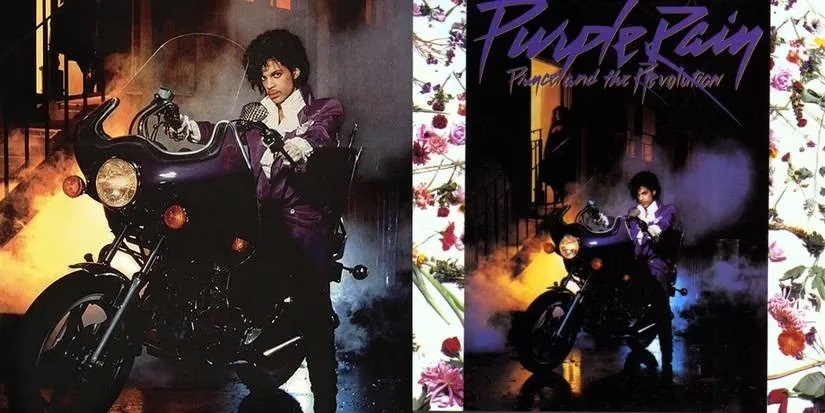
Any discussion of 80s soundtracks must culminate with Purple Rain. Prince didn’t just write songs for the film; he crafted a masterpiece that stands among the greatest albums of all time, regardless of medium. “When Doves Cry,” “Let’s Go Crazy,” and the title track are more than hits—they are cultural monuments. The soundtrack earned Prince a Grammy and an Academy Award for Best Original Song Score, while drawing comparisons to Jimi Hendrix for the sheer scope of his artistry. Through Purple Rain, the line between film and concert collapsed, and the soundtrack continues to mesmerize listeners, its purple glow undimmed by the passage of time.
Comments