
A Fan’s Night at the Circus: The Greatest Showman Lyrics Still Sing in 2026
I’m just an ordinary movie fan, but when I rewatched The Greatest Showman in 2026, the soundtrack hit me like a spotlight from the back of a dark theater. The film first premiered in late 2016, and it is based on the true story of Phineas “PT” Barnum, the nineteenth-century showman who turned a museum into a circus. Critics were mixed, sure, but the movie became the fifth highest-grossing live-action musical of all time. For me, the reason is simple: those original songs are little engines of hope, and they keep running long after the credits.
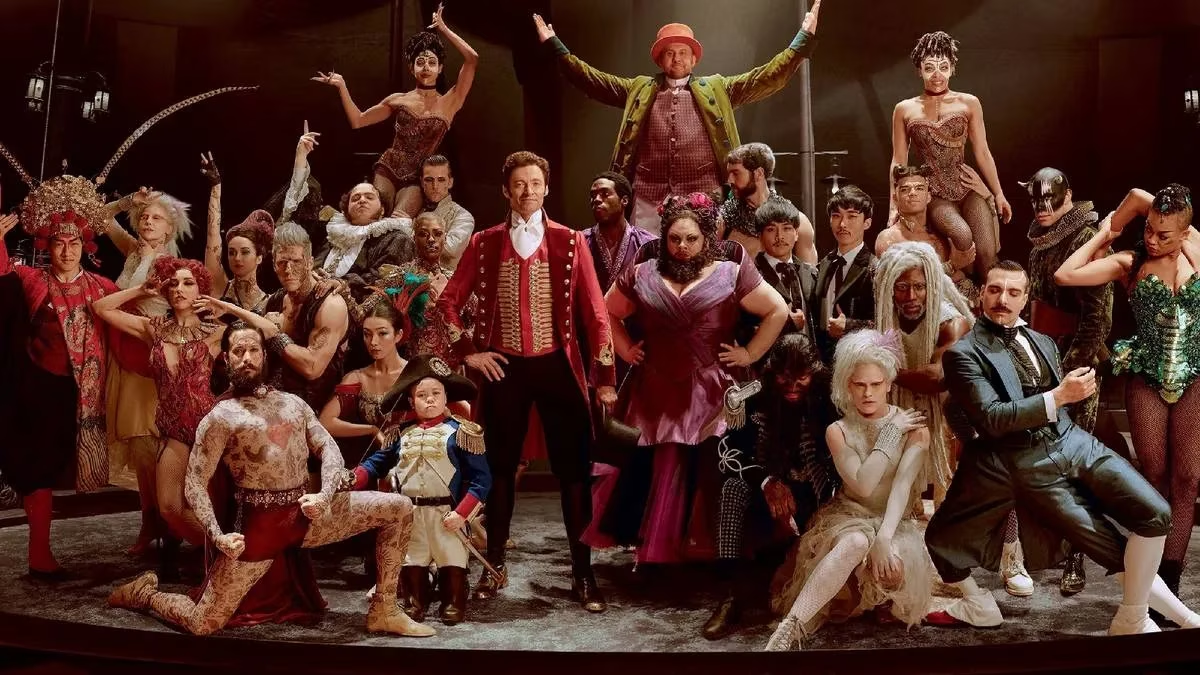
The movie opens in the middle of the story with “The Greatest Show,” and let me tell you, that number does not knock politely. The bassline grabs your hand and pulls you into the tent. The song is about the anticipation of the circus, the crowd buzzing, the performers waiting, the whole room leaning forward. I love that it starts in the middle rather than at the beginning, because it feels like stepping into a show already in motion. Even though Phineas faces obstacle after obstacle, he refuses to let them stop him from chasing his dreams. That opening number sets the stage for everything that follows.
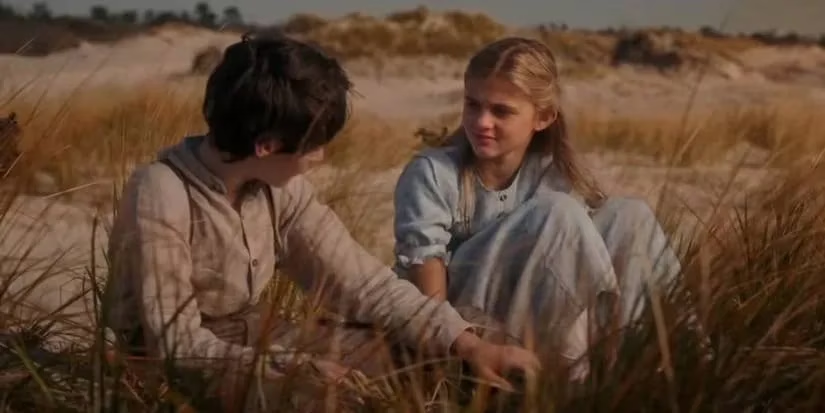
Then the real story begins with young Phineas and Charity sneaking out together. Charity’s father disapproves, and she is about to leave for finishing school, unsure what her future holds. Phineas sings “A Million Dreams” to her as they explore. He is poor. She is about to start something new. Still, he has hope, and the song makes that hope feel big enough to share. I always picture the melody tiptoeing through the dark, leaving little lights behind. It is a promise in musical form, and I get a little lump in my throat every time.
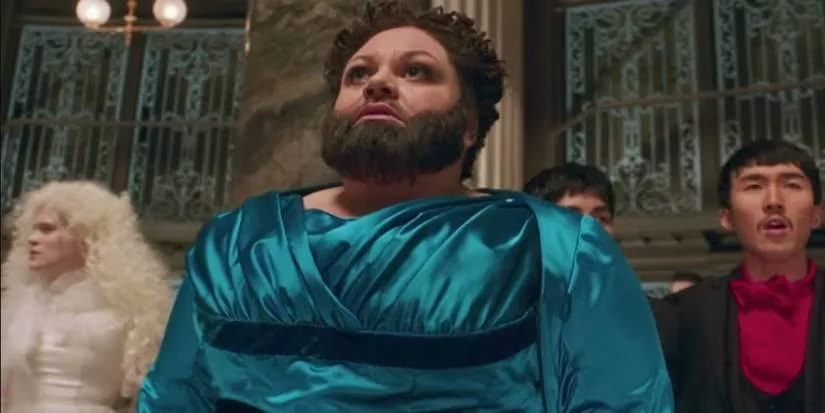
When Phineas starts gathering his circus performers, he chooses people who have been treated as unusual: very tall, very short, very heavy, or simply different. Many of them, including Lettie the bearded lady, have spent years hiding in shame. In “Come Alive,” Phineas tries to convince them that they do not have to live alone and depressed. They can make something of themselves. Their uniqueness can shine instead of being a secret. Honestly, that song feels like a door being kicked open, and the chorus throws its arms around everyone standing outside.
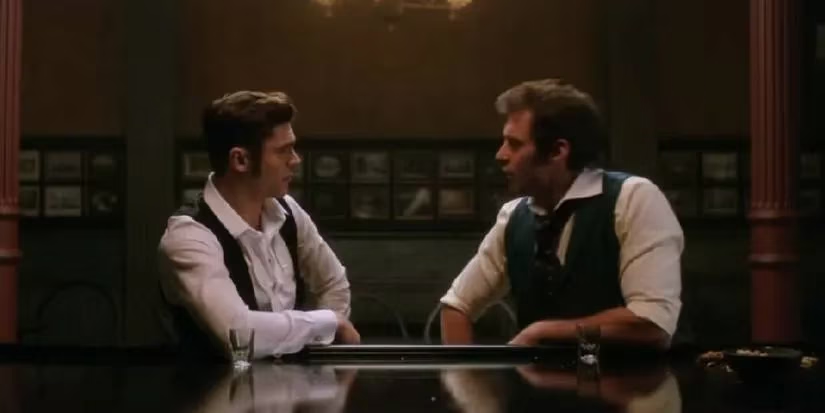
Next comes “The Other Side,” where Phineas tries to recruit Phillip as a business partner. Phillip insists he is fine with his comfortable life, but Phineas argues that he does not have to stay stuck. The song is a playful tug-of-war, and I love the way it turns a business pitch into a dance. Phillip eventually agrees, and the two go off to build fame and fortune. It is one of the lighter moments in the film, but it still carries that restless “what if” energy.
Then there is Jenny, the Swedish singer with the beautiful voice. Phineas wants to bring her to the States and make her famous. Her first performance, “Never Enough,” is symbolic in a way that sneaks up on you. It mirrors Phineas’s hunger. He has the girl of his dreams, the family he wanted, a successful circus, and still he wants more. The song is gorgeous, but underneath it there is a warning. Sometimes the most beautiful voice in the room is the one telling you that you are still not satisfied.
“This Is Me” is the heart of the film. Lettie and the rest of the performers sing it after they are turned away from a fancy party because of their differences. They have been made to feel ashamed for their entire lives, and they decide that enough is enough. They burst into the party and later face an angry mob. They realize they do not need to feel bad, and they do not need to apologize just for existing. They are strong and powerful as they are. This song deserves two spots in any list because it became the anthem of the movie. It has been especially popular with the LGBT+ community and with people who have physical differences, but anyone can find inspiration in it. I have seen people carry those words like a shield.
“Rewrite the Stars” belongs to Phillip and Anne, the young trapeze artist he loves. Anne insists they cannot be together. Phillip is a white man living an upper-class life in full view of society, while Anne is a woman of color performing with the “freaks” of the circus. Interracial relationships are taboo at this time, and Anne knows it. Phillip does not care. Together they sing about being in charge of their own destiny, doing what they want rather than what others say they should do. It is romantic, but it is also stubborn, and I respect that.
Charity’s “Tightrope” is the quiet ache in the middle of the spectacle. Phineas is enjoying his new fame, but as he becomes obsessed with Jenny, Charity and their two daughters get left behind. Charity sings about following Phineas even when life is uncertain, even when it means taking risks. She is not sure he is still there for her, but she knows this is the life she agreed to. It may not be going as she hoped. That song is a tightrope walk of its own, and it breaks my heart a little.
Finally, the circus building catches fire. Everyone gets out okay, but Phillip is injured. Phineas is met with a rude wake-up call, and he realizes he needs to be different from the man he had become. In “From Now On,” he remembers the big plans he had for himself, for his wife, and for their life together. He vows to change. It is the kind of song that makes you want to call someone you have been neglecting. Or maybe that is just me.
So in 2026, years after the film first premiered, I still return to this soundtrack. The movie is not perfect, and the critics were not all wrong, but the songs are a full circus in miniature: loud, tender, messy, and full of people insisting that they belong. 🎪✨
Comments